









12 Effective Ways to Get Rid of Dust Mites at Home for Better Health and Hygiene

Despite being invisible to the naked eye, dust mites can significantly affect your home's hygiene and overall health. These microscopic organisms feed on skin flakes and leave behind allergens that can cause sneezing, congestion, and irritated eyes. They flourish in warm, comfortable nooks like bedding, carpets, and upholstered furniture.
Taking care of them is crucial for both comfort and creating a really hygienic and healthy living space. It helps to incorporate helpful tips to get rid of dust mites, such as using allergen-proof bedding covers or washing bedding in hot water.
Professional house cleaning services like ByNext have the expertise and tools to completely eliminate dust mites from homes with persistent dust and hidden allergens, making sure your area remains clean, safe, and fresh.
What Are Dust Mites?
Dust mites are microscopic creatures that feed on dead skin cells shed by humans and pets, making homes an ideal environment for them. They thrive in warm, humid areas such as bedding, carpets, and upholstered furniture.
Although dust mites themselves do not bite or spread disease, their waste and body fragments can trigger allergic reactions, leading to symptoms of dust mite allergy like sneezing, congestion, itchy eyes, and asthma flare-ups. Understanding where they live and why they multiply indoors is the first step in effectively controlling them.
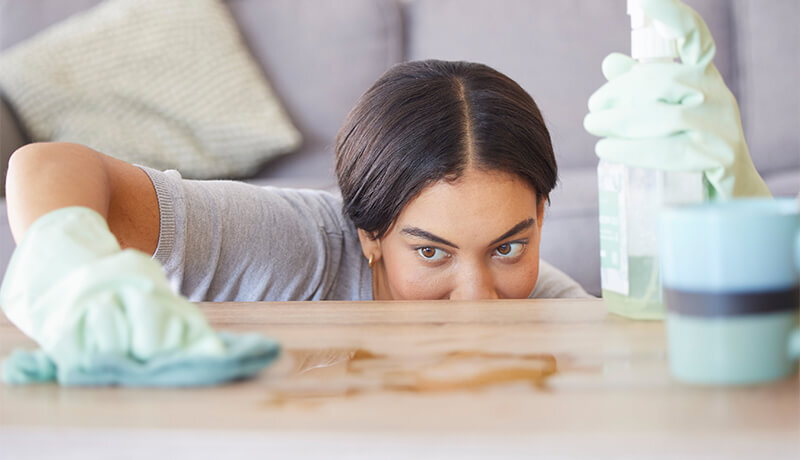
Get a Deep, Dust-Free Home with ByNext - Book Now!
Common Places Dust Mites Hide in Your Home
Wherever dust, warmth, and moisture accumulate, dust mites flourish. The following are the most common hiding places in your house:
-
Bedding, including blankets, pillows, and mattresses.
-
Rugs and carpets where dust and dirt accumulate.
-
Armchairs and couches with upholstery make it hard to get rid of dust mites.
-
Drapes and curtains that collect dust.
-
Cushions, stuffed animals, and fabric décor are examples of soft furnishings.
To reduce dust mites and allergens in these areas, regular cleaning and targeted maintenance are crucial.
12 Effective Ways to Get Rid of Dust Mites at Home
Here are practical, proven strategies homes can use to eliminate dust mites and improve indoor air quality drastically. You can target common problem areas like bedding, carpets, and upholstery while keeping your home healthy with these tips to get rid of dust mites.
When used consistently with regular home cleaning, these techniques help create an environment that reduces allergies and promotes your family's long-term comfort.
1. Wash Bedding Regularly in Hot Water
One of the best ways to control and get rid of dust mites at home is to wash blankets, pillowcases, and sheets in hot water at least once a week. While comprehensive high-heat drying further breaks down dust mite waste and guarantees that any residual mites are completely removed, water temperatures of 60°C (140°F) or higher help kill mites and remove the allergens they leave behind.
2. Use Allergen-Proof Mattress and Pillow Covers
Dust mites cannot settle, feed, or reproduce in your bedding if you use allergen-proof covers for your pillows and mattresses. These tightly woven covers are a simple yet highly effective way to reduce dust mite exposure and enhance overall sleep hygiene, as they prevent allergens from escaping into the air while maintaining comfort and breathability.
3. Vacuum with a HEPA Filter
Dust mites, their waste, and other allergens that standard vacuums often release into the air can be effectively captured with a vacuum equipped with a HEPA filter. By capturing microscopic particles, air purifiers with HEPA filter vacuum technology can further enhance indoor air quality, reduce symptoms of dust mite allergy, and maintain a cleaner, healthier home environment.
4. Reduce Indoor Humidity
Since dust mites thrive in damp conditions, it is essential to maintain a low humidity level in the house. By keeping indoor humidity below 50%, you can reduce allergens in your home and make it less favorable to dust mites by using dehumidifiers, air conditioners, or proper ventilation.
5. Clean Carpets and Rugs Frequently
Dust mites and their residues, which often embed deeply in fibers, can be effectively eliminated by deep cleaning carpets and rugs at least once or twice a year. Use natural cleaning products like vinegar or baking soda to sanitize surfaces without the use of harsh chemicals for extra protection.
Regular maintenance keeps your home healthier and cozier by extending the life and aesthetic appeal of your carpets and rugs, and by improving indoor air quality.
Learn more here: How to Clean Carpets with Vinegar.
6. Wash Curtains and Soft Furnishings
Routine cleaning of curtains and soft furnishings not only reduces dust mite populations but also prevents the buildup of allergens and odors that could trigger allergies or respiratory issues. Steaming is a gentle yet efficient way to disinfect and refresh fabrics that can't be machine washed without causing damage. Your family will live in a cleaner, healthier environment if you regularly maintain these items as part of your home cleaning routine.
Learn more about expert options here: Curtain Dry Cleaning in New York.
7. Dust Hard Surfaces with a Damp Cloth
Since it collects microscopic dust particles that dry dusting may leave behind, using a slightly damp microfiber cloth is particularly helpful. Regular cleaning of electronics, baseboards, window sills, and tabletops reduces dust mite buildup and waste, thereby reducing allergy triggers.
A smart approach for controlling indoor allergens and protecting everyone in the house from symptoms of dust mite allergy is created by combining this with appropriate vacuuming and cleaning of soft furnishings.
8. Minimize Clutter in Living Spaces
Stacks of papers, books, toys, and ornamental items are examples of cluttered areas that tend to gather dust and provide dust mites with perfect hiding places. Cleaning is made easier, allergy accumulation is reduced, and a healthier home environment is maintained by keeping living areas tidy and removing unnecessary items. Dust mites have fewer opportunities to produce when things are regularly decluttered and stored correctly.
9. Use an Air Purifier
By removing dust, pollen, and dust mite allergens from the air, air purifiers improve indoor air quality. It is particularly beneficial to use a purifier with a HEPA filter because it captures minuscule particles, lowering the chance of allergy flare-ups and making your home cleaner and healthier for you and your family. Their efficacy is maximized when used regularly in combination with appropriate home cleaning techniques.
10. Freeze Non-Washable Items
Dust mites can be safely eliminated from items that cannot be washed, such as pillows, plush animals, or delicate fabrics, by putting them in a sealed plastic bag and freezing them for a full day. This technique effectively eliminates mites without chemicals, helping reduce allergens and keep the home environment healthier, especially for kids and allergy sufferers.
11. Choose Easy-to-Clean Home Textiles
You can help keep your space cleaner and healthier by choosing washable materials like cotton or microfiber instead of bulky ones, which can reduce dust collection and prevent fabric breeding grounds. Regular laundering of easily cleaned fabrics helps prevent allergies and improve the effectiveness and efficiency of routine home cleaning.
12. Maintain a Regular Home Cleaning Routine
Maintaining a regular cleaning plan helps keep dust mites out of furniture, bedding, and carpets. Every area of your house will remain hygienic if you include activities like wiping surfaces, washing clothes in hot water, and vacuuming with a HEPA filter in your regular home maintenance checklist. Over time, this methodical approach reduces allergy triggers, improves air quality, and makes the home a safer and more comfortable place for all family members.
Mistakes to Avoid When Trying to Get Rid of Dust Mites
-
Only cleaning the surface superficially, because a light dusting won't completely get rid of dust mites hidden deep in fabrics.
-
Washing bedding in cold water fails to kill dust mites.
-
Ignoring humidity levels that promote dust mite growth.
-
Neglecting carpet maintenance because carpets harbor mites, see how to clean carpets with vinegar.
-
Misusing harsh chemicals that damage fabrics without addressing the issue.
When Professional Home Cleaning Makes a Difference
When dirt, allergens, and bacteria accumulate beyond what regular cleaning can handle, hiring a professional cleaner becomes crucial. To effectively eliminate dust mites and create a healthy indoor environment, homes with pets, high foot traffic, recent renovations, or prolonged neglect often require detailed cleaning.
In these situations, a routine wipe-down is insufficient; focused techniques are needed to reach high-risk areas, soft furniture, and hidden corners. When deep cleaning is the only way to make a truly meaningful difference, ByNext guarantees consistent quality, saves essential time, and produces a noticeably fresher, healthier home.
ByNext's experience is especially notable in this area. Even a very dirty house needs cleaning services. We utilize specialized equipment and skilled cleaners to tackle stubborn dirt, embedded dust, and neglected areas. Before booking, make sure to check the latest pricing options for each package.
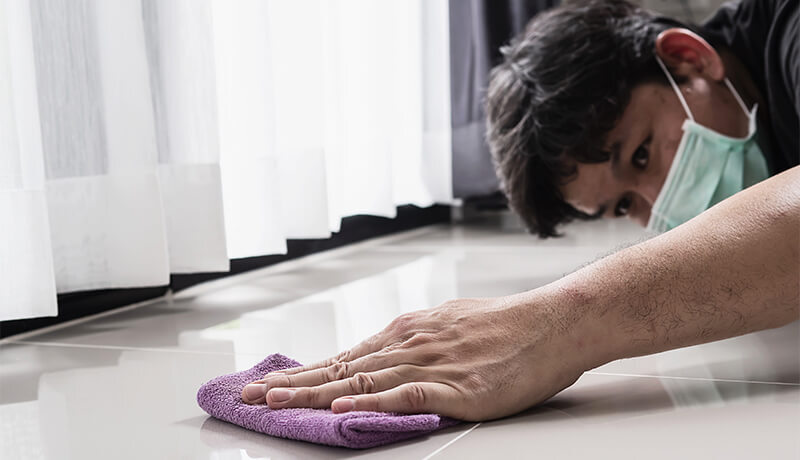
Let ByNext Eliminate Hidden Dust and Allergens
FAQs - Get Rid of Dust Mites
Do air purifiers get rid of dust mites?
Air purifiers can help reduce dust mite allergens by trapping airborne particles, such as mite waste and dust. However, they do not eliminate dust mites, as mites live in fabrics such as bedding and upholstery.
What are the first signs of dust mites?
The first signs of dust mites usually include allergy symptoms such as sneezing, itchy or watery eyes, runny nose, coughing, and worsening asthma, especially indoors or after waking up.
Does showering before bed reduce dust mites?
Yes, showering before bed can help reduce dust mites by washing away sweat, skin flakes, and allergens that attract them. This helps keep bedding cleaner and may reduce nighttime allergy symptoms.
Create a Healthier, Dust-Free Home
Keeping dust mites under control is crucial to making a healthy home, particularly for those who suffer from asthma or allergies. Allergen accumulation can be reduced by adopting simple practices such as frequent bedding washing, improved ventilation, the use of air purifiers, and maintaining low humidity levels. Indoor air quality and general comfort can be enhanced by identifying early signs and acting promptly.
Consistency is essential for long-term relief. Maintaining a regular cleaning schedule and following useful tips to get rid of dust mites can significantly improve your health and sleep quality. Professional cleaning services may offer additional assistance as needed, ensuring your home remains hygienic, clean, and allergy-free year-round.