

 April 11, 2025
Laundry Tips
April 11, 2025
Laundry Tips
Best Time to Do Laundry to Save on Electricity and Reduce Bills {Tips}
Understanding the energy-saving time for laundry is vital for managing your household bills. Electricity rates often spike during peak hours when demand is high but drop significantly during off-peak times, usually early mornings, late evenings, or weekends. Knowing the best time to do laundry is important because during off-peak hours, your appliances use power when it’s cheaper and place less strain on the energy grid.
It’s a simple way to stretch your budget further while doing your part to reduce overall energy consumption. In this blog, ByNext, an expert eco-friendly laundry and dry cleaner, will break down the energy-saving time for laundry, share simple tricks, and explain why timing matters. Get expert insights from us to discover the cheapest time to do laundry.
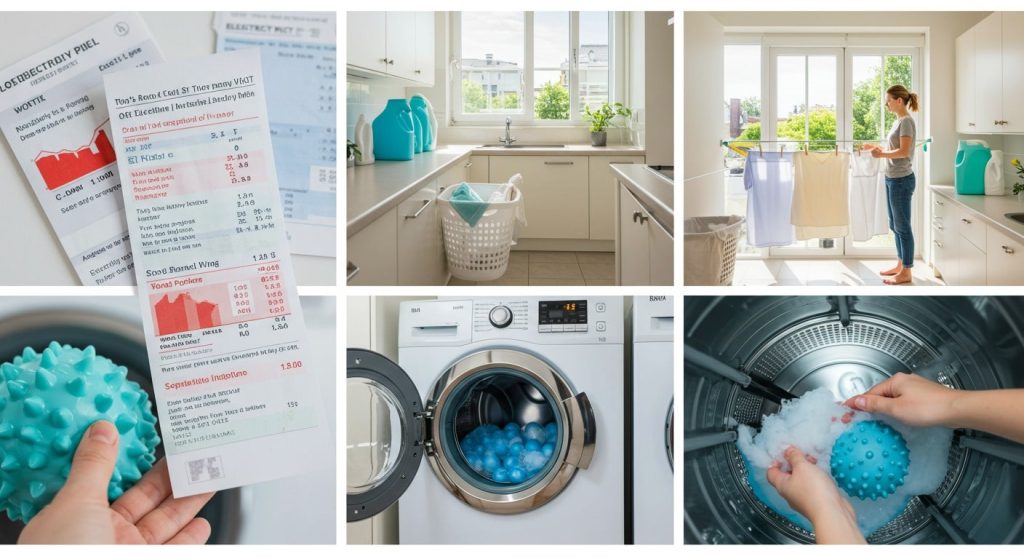
Quick Answer: Best Time to Do Laundry
- Off-peak hours (midnight–6/8 a.m. weekdays, plus all weekends/holidays) are cheapest for laundry.
- Peak hours cost the most: 8 a.m.–midnight weekdays (Con Edison, NYC) or 4–9 p.m. weekdays (PSE&G,NJ).
- Doing laundry off-peak instead of on-peak can cut costs by 60–80% but only on a Time-of-Use rate plan.
- A typical wash-and-dry cycle costs about 15–25¢ off-peak vs. 50¢–$1 at peak.
- Weekends/holidays are usually off-peak all day the easiest window to save.
Best Time to Do Laundry to Save Money
Finding the best time to do laundry save energy is a smart move towards saving money. Electricity prices fluctuate throughout the day, so doing laundry during cheaper times to wash clothes can remarkably reduce your monthly bills. Utility companies often offer lower rates during off-peak hours when demand is low, like early mornings or late evenings.
Identifying the best hours for your laundry is key to lowering your bills, but the best approach balances these cheap electricity windows with a schedule that you can actually maintain. Finding that sweet spot ensures you save money without disrupting your daily routine.

Ready to save on your laundry bills
Early Morning or Late Night
- These off-peak hours are often the best time of day to do laundry, as energy demand is lower and rates are cheaper.
- Washing clothes early in the morning or late at night helps reduce electricity costs and is more eco-friendly.
- Use a delay-start function or set a timer to run loads while you sleep or before you wake up.
- Consider sorting and prepping laundry the night before for a smooth early start during the best hours to do laundry.
Bonus Read: Here’s a blog for the magical 5 time-saving laundry hacks for managing bulk laundry.
Weekends and Holidays
- Many utility providers offer lower rates on weekends and holidays. Therefore, it is best time to do laundry on weekends.
- Energy grids are typically under less pressure, which means cheaper usage and more sustainable washing.
- The extra free time allows you to organize, wash, and dry multiple loads without feeling rushed.
- Plan your laundry day around weekend mornings or holiday afternoons to make the most of the best time to wash clothes.
Bonus Read: Here are some expert tips to protect your clothes while washing.
Peak and Off-Peak Hours for Laundry
As discussed above, there are a few off-peak hours. Now, let’s discuss the peak and off-peak hours so that you have full knowledge of when to do laundry:
Peak Hours
Many US utility providers set peak hours roughly between 7–10 a.m. and 5–8 p.m., though exact windows vary by provider and region. Check your utility’s time-of-use rate schedule for exact timing.
Doing laundry during these hours means paying premium electricity rates; the peak hours place more strain on the power grid, increasing bills and having an environmental impact.
Off-Peak Hours
In the United States, off-peak hours are most commonly defined as the overnight period, typically from 9 p.m. or 10 p.m. until 6 a.m. or 7 a.m. Additionally, many utility providers classify weekends and major holidays as off-peak, meaning electricity costs are often lower throughout the entire day during those times.
Aligning Laundry with Off-Peak Hours
To effectively manage your laundry bill using these windows, consider the following strategies:
Utilize Delay-Start Functions: If your machine has a timer, set it to run so the cycle finishes shortly before you wake up. Avoid setting the machine to finish too early at night; if wet clothes sit in the drum for several hours before you unload them, bacteria can develop, causing unpleasant odors.
Important Caveat: While these are common industry patterns, utility providers set specific “Time-of-Use” (TOU) rate schedules that vary by state, season, and plan. Some plans may have “super off-peak” times or different peak windows (such as 4 p.m. – 9 p.m.). To ensure you are truly capitalizing on lower rates, check your specific utility bill or your provider’s website for their unique schedule.
Bonus Read: Learn what the different types of laundry are to make better decisions if you do not have the time to do laundry during off-peak hours.
Expert Tips to Save Energy
To get the most savings, combine these timing shifts with energy-efficient habits like using cold water cycles and ensuring the washing machine is running a full load.
Run a cold water wash
- Washing with cold water reduces energy use and still gets clothes clean.
- A great habit to pair with the off-peak laundry hours to save energy for maximum efficiency.
Wash full loads
- Washing full loads cuts down on water and energy waste.
- Ideal during the energy-saving time for laundry to get the most value from each cycle.
Maintain Your Appliances
- Keep washers and dryers in top shape to ensure they run efficiently.
- One of the smartest tips for washing that extends machine life and boosts performance.
Clean the dryer’s lint trap
- Remove lint after every use to improve airflow and reduce drying time.
- Especially helpful when doing laundry during the best time to wash clothes.
Avoid Over-Drying Clothes
- Use moisture sensors or timed cycles, if you have the options, to prevent wasting energy.
- Remove clothes promptly once dry to protect fabric fibers and minimize energy use.
How Much Can You Actually Save?
The savings from shifting laundry to off-peak hours depend on your utility and rate plan, but the price gap between peak and off-peak electricity is often bigger than people expect. Here’s what the two utilities’ own published rates show:
Con Edison (NYC)
On Con Edison’s residential Time-of-Use rate, off-peak delivery pricing runs about 5¢/kWh, while peak-hour pricing (8 a.m. to midnight) runs about 17¢/kWh in the non-summer months and jumps to roughly 28¢/kWh during summer (June–September), more than five times the off-peak rate in summer.
This applies only to customers enrolled in the Time-of-Use rate; ConEd’s standard flat-rate plan doesn’t vary by time of day, so timing your laundry only pays off if you’ve opted into TOU pricing. (Source: Time-Of-Use Rates | Con Edison)
PSE&G (New Jersey)
PSE&G’s published tariff for its Residential Load Management (time-varying) rate shows on-peak energy charges of roughly 20–21¢/kWh (7 a.m.–9 p.m. weekdays) against off-peak charges of roughly 7–8¢/kWh (all other hours), a peak-to-off-peak gap of nearly 3x. PSE&G also now offers a newer three-period Time-of-Use rate (on-peak 4–9 p.m. weekdays, off-peak midnight–6 a.m., mid-peak all other times).
Exact current pricing for that plan is available through PSE&G’s rate comparison tool for enrolled customers rather than published as a flat public rate table. (Source: PSE&G, official Price-to-Compare / BGS-RSCP tariff schedule: https://nj.pseg.com/-/media/pseg/public-site/documents/current-electric-tariff/electric-ptc-website–2025-09-15.ashx; general TOU plan structure via PSE&G’s Time of Use overview link: https://nj.myaccount.pseg.com/myservicepublic/time-of-use)
What This Means for a Load of Laundry
A typical wash-and-dry cycle uses an estimated 2.5–3.5 kWh total, roughly 0.3–0.5 kWh for the washer and 2–3 kWh for the dryer. (Estimate, based on aggregated appliance-energy data from EnergySage and Whirlpool.) Running that load during peak hours on a Time-of-Use plan in ConEd or PSE&G territory could cost 50 cents to a dollar; running the same load off-peak could cost closer to 15–25 cents, a potential savings of roughly 60–80% per load for customers enrolled in Time-of-Use pricing.
Important caveat: These figures apply specifically to customers enrolled in Time-of-Use (or similar time-varying) rate plans, not standard flat-rate billing, and prices vary by season, exact plan, and account type. Check your own utility’s current rate schedule or enrolled-account rate comparison tool before assuming these numbers apply to your bill.
Check out our services for more savings!
FAQs – Best Time to Do Laundry
How can we save energy while doing laundry?
To save energy, use cold water cycles and wash full loads during the energy-efficient laundry schedule. Running laundry cycles during off-peak hours, such as late at night or early in the morning, is best to save energy while doing laundry.
Is it Cheaper to Do Laundry at Night?
Yes, doing laundry at night is often cheaper due to lower energy demand and rates. It’s considered an energy-efficient laundry schedule to reduce electricity costs.
When Is the Cheapest Time to Do Laundry?
The cheaper time to run your washer is during off-peak hours, typically early morning or late at night. These times offer lower utility rates, helping you save money and energy.
Wrap Up!
Choosing the best time to do laundry and save energy isn’t just good for your wallet; it’s also a smart move for the planet. By running your washer during off-peak hours, you’re hitting the sweet spot to save on your electricity bill by timing your laundry.
Relevant Posts
-
 April 29, 2026
Hotel Linen Management: Why Outsourcing Laundry Saves Them Costs
-
 April 27, 2026
How to Keep Your Sneakers Looking Brand New: Top Cleaning Tips
-
 April 24, 2026
Hire Professional Office Cleaning Services Today for a Spotless Workspace
-
 April 22, 2026
How to Get Color Bleed Out of Clothes: Simple Fixes That Actually Work
-
 April 20, 2026
Locate ByNext Laundry Pick-Up and Delivery Points in Your Area
-
 April 17, 2026
Understanding Laundry Solutions: Different Types of Laundry Services Explained