









The Ultimate Guide to Washing & Preserving Chef Uniforms

A chef’s coat is the armor they wear into the heat of the kitchen battle, a symbol of professionalism, expertise, and hygiene. However, we know that maintaining a pristine white look against the daily onslaught of grease, sauces, and spills is a constant, frustrating challenge.
Every shift brings a new set of stains, and the constant cycle of washing often leaves your prized chef uniforms looking dingy, not dazzling. That battle to keep whites bright and fabrics fresh is an unseen part of your workday.
This ultimate guide is your definitive solution to making that vision a reality. When the demands of the kitchen leave you zero spare moments, or when a stain is simply too deep for home methods, you need a partner you can trust. That's where ByNext comes in.
We understand the unique fabric blends, the common types of grease, and the high-volume needs of the culinary industry. Their expert care handles the tough stains and high-volume washing, saving you time and worry.
Why Proper Care of Chef Uniforms Matters
Proper maintenance of chef uniforms is essential for several fundamental reasons, including maintaining a professional appearance, as a clean and crisp uniform conveys discipline and respect for the craft.
Beyond appearance, thorough cleaning is essential for hygiene since it eliminates bacteria, perspiration, and food pollutants, preserving a hygienic kitchen. Cleaning right away helps control stains, preventing them from becoming persistent and maintaining the fabric's original appearance.
Eventually, consistent care extends the garment's life and protects your investment. A pristine uniform worn by staff powerfully reinforces the restaurant's image of quality and cleanliness to its patrons.
Bonus Read: Master the science of effective cleaning with our guide to Laundry Load 101, ensuring maximum cleanliness without damaging your uniforms.
The Best Way to Maintain a Chef’s Uniform
A uniform’s longevity and sharp appearance depend entirely on a consistent maintenance routine that starts the moment you take it off. The best approach to preserving your attire combines immediate stain treatment with proper washing techniques, making fabrics stay strong and colors remain vibrant.
Here are some of the best ways that you can follow to maintain your uniform:
Preserve Your Uniforms with Expert Laundry Care
Wear an Apron for Protection
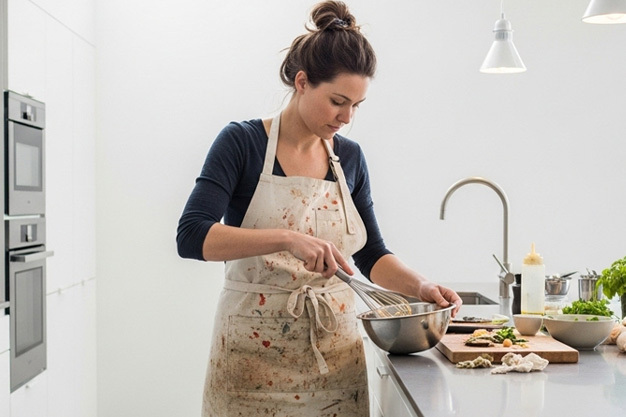
Wearing a sturdy apron over your chef coat is the single most effective barrier against severe staining and excessive wear. The apron absorbs the brunt of grease splatters and food spills, dramatically reducing the frequency of deep-cleaning required for your coat. This simple habit keeps your uniform cleaner for longer, extending its overall lifespan.
Keep Chef Whites Bright
To prevent the notorious yellowing or graying of white uniforms, separate them strictly from all colored laundry items. Incorporate an oxygen-based bleach or a bluing agent into the wash cycle to counteract dullness. Regular use of these aids prevents dinginess from setting in permanently.
Use Gentle Cleaning Aids
When you need powerful cleaning, choose enzyme-based, heavy-duty detergents that are hard on stains yet gentle on fabric fibers. Avoid excessive use of harsh chemicals like chlorine bleach, which can weaken the cotton fibers over time and lead to tears or discoloration.
Wash with Lukewarm Water
For most chef uniforms, washing with lukewarm (or warm) water is the best compromise between cleaning power and fabric protection. Hot water can set protein stains like blood or egg, and may accelerate color fading or shrinkage in some blends. Lukewarm water is highly effective at removing grease without damaging the garment's structure.
Handle Fabrics Carefully
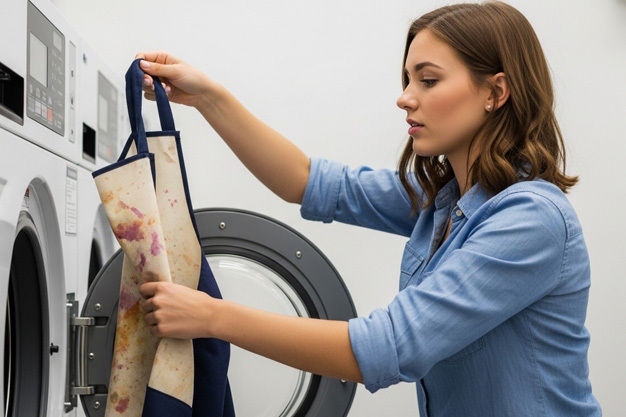
Always fasten all zippers, buttons, and snaps before placing your uniform in the washing machine to prevent damage to the garment or the appliance. Turn pants and colored coats inside out to protect the outer surface from abrasion, which helps prevent pilling and preserves the fabric's original texture and color integrity.
Common Stains and How to Treat Them Quickly
The kitchen is a warzone of spills, but acting fast is the key to winning the battle against stains. Immediate action can prevent a simple splatter from becoming a permanent mark on your uniform. Understanding the composition of common kitchen messes allows you to choose the proper counterattack quickly, saving your coat from early retirement. Here’s what you should do quickly:
Grease and Oil Stains
-
Immediately scrape off any excess grease, then apply a commercial stain remover or a heavy-duty liquid detergent directly to the spot.
-
Rub the detergent gently into the fabric fibers, and then wash the garment using the hottest water suitable for the fabric.
-
Air-dry the item, as machine drying can permanently set residual oil.
Tomato and Sauce Stains
-
To remove the tomato color, rinse the stain right away with cold water from the back of the fabric.
-
To remove the acid and color, apply a vinegar solution or an enzyme-based stain remover to the remaining area.
-
Do not use a dryer until the stain is entirely removed; instead, wash as usual.
Red Wine and Coffee Stains
-
To absorb as much liquid as possible, blot the stain with a clean cloth; do not rub, since this can spread the stain.
-
Use a solution of white vinegar and water, or drape the cloth over a bowl and run boiling water through it to treat the area.
Protein-Based Stains (Blood, Dairy, Eggs)
-
Importantly, protein stains are tough to remove when hot water is used first because heat will cook the protein into the fabric fibers.
-
After thoroughly cleaning the area with cold water, soak the uniform in cold water infused with a pre-soak product that contains enzymes.
-
Use cold or lukewarm water for a standard wash cycle after that.
Laundry Bluing for Chef Whites
Laundry bluing is a traditional, non-detergent additive used to counter the natural yellowing that white fabrics acquire over time, making it invaluable for maintaining crisp chef whites. This product works by depositing a tiny, almost invisible amount of blue pigment onto the fabric fibers. Since blue and yellow are complementary colors, the blue tint optically cancels out the yellowish tinge, making the whites appear brighter and whiter to the eye.
The safest way to use bluing is to dilute it heavily in water before adding it to the wash or rinse cycle. Applying it directly to the fabric can cause blue spots, so always follow the product's precise instructions.
How Often Should I Clean My Chef Uniform?
For most professional chefs, uniform clothing should be laundered after every single shift due to the strict hygiene standards of a professional kitchen. Daily washing is crucial to immediately remove food soils, grease, sweat, and bacteria that accumulate rapidly and can impact food safety.
While an exception might be made for light-duty, short-duration work, prioritizing a daily chef uniform clean is non-negotiable for maintaining professionalism and sanitation. Consistent, frequent cleaning also prevents odors and deep, set-in stains.
What Is the Best Way to Wash Chef Uniforms?
To effectively wash chef uniforms, begin by pre-treating any visible stains with a heavy-duty detergent or stain remover. Use a hot water setting for white uniforms to sanitize and brighten, or warm water for colored ones to prevent fading. Make sure to follow the garment's care label. A heavy-duty, enzyme-based detergent is best for cutting through grease and protein stains common in kitchen attire.
Drying, Ironing, and Storing Chef Uniforms
-
Tumble dry on a low heat setting to prevent shrinkage and fabric damage.
-
Remove uniforms promptly from the dryer as soon as the cycle finishes to minimize wrinkles.
-
For best results, air dry or hang uniforms to finish drying to maintain shape.
-
Use a high-heat setting on the iron for 100% cotton uniforms for a crisp look.
-
Iron while the garment is still slightly damp for easier wrinkle removal.
-
To keep whites sharp, use steam and a spray starch when ironing.
-
Store freshly laundered uniforms in a cool, dry, and well-ventilated area.
-
Use sturdy hangers for coats and pants to avoid creases and shoulder puckering.
-
Keep uniforms covered with a garment bag if storing for an extended period.
-
Proper storage is key to professional presentation and easy daily dressing.
Dos and Don’ts for Chef Clothing Care Terms
Do’s:
-
Always check the care label inside the garment before washing.
-
Do treat stains immediately; never let them sit overnight.
-
Do use a heavy-duty detergent designed for grease and oil when cleaning chef uniforms.
-
Do pre-soak heavily soiled items to aid the stain removal process.
-
Do use non-chlorine (oxygen) bleach for white uniforms for long-term brightness.
Don’ts:
-
Don't overload your washing machine; clothes need room to move and clean properly.
-
Don't use excessive amounts of chlorine bleach, as it can weaken fibers over time.
-
Don't dry delicate fabrics on high heat; heat is the enemy of longevity.
-
Don't neglect regular chef uniform maintenance; a clean uniform reflects high standards.
-
Don't spend your time on laundry; pay someone to do laundry, or look into uniform laundry services for businesses or a reliable restaurant laundry service.
When to Consider Professional Laundry and Dry Cleaning Services
When dealing with tough and set-in stains that are impossible to remove with home remedies, consider hiring specialists because they have access to industrial-strength solvents and specialized technologies.
Bulk washing frequently exceeds the capacity of regular machines in restaurants and large kitchens; outsourcing to a specialized service is more effective and economical when managing vast quantities of uniform apparel.
Moreover, uniforms made with delicate or specialty blends (like expensive trim or unique textures) benefit from the careful handling and precise processes offered by dry cleaning. Opting for professional help provides the longevity and impeccable presentation of all your chef uniforms.
Keep Chef Whites Spotless – Try ByNext Today
FAQS - Clean Chef Uniforms
How to clean a chef's clothes?
Use a heavy-duty detergent and hot water to wash your chef's clothing, pre-treating heavily soiled areas or stains. Follow instructions on the garment care tag for the best results in your chef uniform cleaning.
How do I keep my chef uniform white and bright?
Always wash your white chef uniforms separately from colored items to prevent any transfer of dye. Use oxygen-based bleach (non-chlorine) with your regular detergent on your uniform clothing.
Can I use bleach on my chef uniform?
It is generally safe to use chlorine bleach on all-white cotton chef uniforms, but avoid it on colored chef clothing. Always test a small, inconspicuous area first, and ensure the garment care tag doesn't advise against it.
To Sum It Up!
After reading this blog, you've mastered the essential techniques for keeping your professional attire looking its best. By consistently applying these tips for washing and maintaining your business uniforms, you make your chef uniforms last longer and also maintain a pristine, professional appearance in the kitchen.
Remember that proper care is an investment in your career, safeguarding the longevity and look of your essential uniform clothing. For busy professionals who demand perfection, outsourcing the meticulous process of maintaining your chef uniform clean to an expert service like #1 laundry & dry cleaning app is a smart, time-saving choice.