









How to Wash Velvet at Home Safely (And When Dry Cleaning Is Better)

Velvet is the ultimate symbol of luxury and comfort. Its deep pile and soft texture make it a favorite for evening wear and home decor. However, many people fear ruining these pieces. Knowing how to wash velvet at home without damaging it is a common concern for fashion enthusiasts.
You can protect your items by following specific steps for both hand washing and machine washing. Some fabrics are resilient, while others are incredibly fragile. Knowing when it’s safer to opt for professional dry cleaning will save you from accidental ruin.
This guide covers everything you need to keep your velvet garments soft, shiny, and long-lasting. Whether you are cleaning a velvet dress or caring for heavy drapes, the right approach is vital. Proper velvet fabric care starts with understanding what your specific garment needs.
Let’s dive into the details of how to wash velvet safely.
Can You Wash Velvet at Home?
Velvet is not a single type of fiber. It is a weaving technique that creates a short, dense pile. Historically, this fabric was made from pure silk. Today, it is commonly made from cotton, polyester, rayon, or acetate. Polyester and cotton blends are often sturdy enough for home care. Silk or rayon velvets are much more temperamental. The "pile" is what gives velvet its sheen. If you crush that pile during a wash, the fabric loses its beauty forever.
You can often wash synthetic velvet dress items at home. However, the garment's structure matters too. A structured blazer with shoulder pads should never go in a tub. A simple velvet slip dress is a better candidate for DIY care. Always test a small, hidden area with water first. If the fabric changes texture or color, stop immediately. Understanding these basics is the first step in washing velvet at home safely.
How Often Should You Wash Velvet?
Velvet does not need frequent washing. In fact, over-washing is the fastest way to wear out the fibers. For clothing, wash only after several wears unless you spilled something. For curtains or upholstery, a deep clean once a year is usually enough. Frequent brushing and steaming can replace the need for full immersion. This helps preserve the "crush" of the fabric. Every time you consider how to wash velvet, remember that the delicate fibres are at risk. Less is always more when dealing with high-end textiles.
Preparing Velvet for Home Washing
Preparation is the difference between success and a ruined outfit. Never rush into the process. Take the time to set up your space and inspect the item. Proper preparation ensures that washing velvet at home safely goes smoothly.
Check the Care Label
The care label is your roadmap. Look for symbols that indicate water temperature and agitation. If a label says "Dry Clean Only," it is best to dry clean velvet rather than risk it. If it says "Dry Clean," you might be able to hand-wash it, but proceed with caution. Labels that mention "Hand Wash Recommended" are the best candidates for home care. Never ignore a warning about heat. Heat is the enemy of velvet.
Gather Supplies and Tools
You need the right kit before you start. Do not use standard laundry soap.
-
Mild detergent for delicate fabrics: Look for a wool or silk-safe option.
-
Cold water: Never use lukewarm or hot water.
-
Basin or gentle wash machine cycle: A clean sink or plastic tub works best for hand washing.
-
Soft towels for drying: Choose lint-free white towels.
-
Optional: Mesh laundry bag for machine washing: This prevents snagging on the machine drum.
Treat Stains Before Washing
Spot cleaning is essential. Use a delicate stain remover or a drop of mild soap. Apply it to a soft cloth, not directly to the velvet. Gently blot the area. Avoid rubbing harshly. Rubbing will flatten the pile and leave a permanent dull spot. Once the stain lifts, you can proceed with the full process of how to wash a velvet dress.
How to Wash Velvet at Home
There are two main ways to handle this fabric. Hand washing is the safest, but modern machines have settings that can work for sturdier blends.
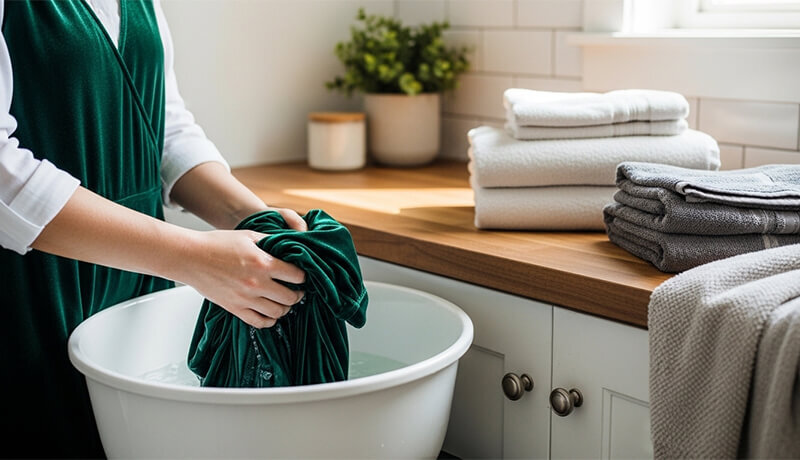
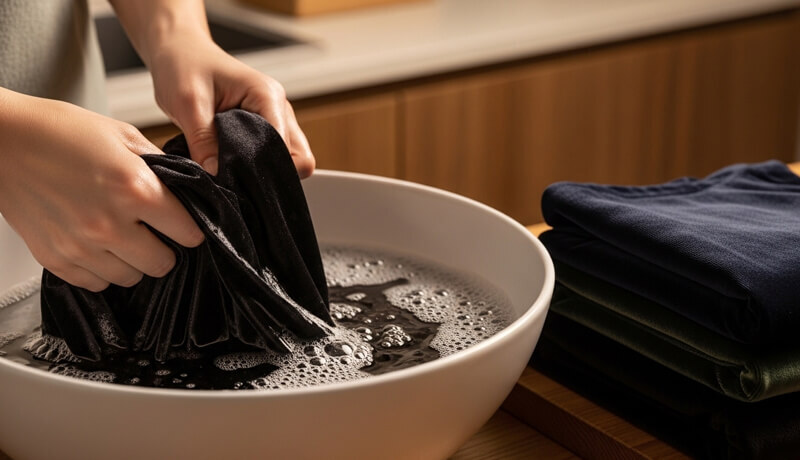
Hand Washing Velvet
-
Fill a basin with cold water.
-
Add a small amount of mild detergent. Mix it well before adding the garment.
-
Turn your garment inside out. This protects the pile from friction.
-
Submerge the velvet gently. Do not crowd the basin.
-
Swish carefully without twisting or wringing. Imagine the fabric is floating.
-
Rinse thoroughly with cold water. Keep rinsing until all suds are gone.
-
Remove excess water by pressing the garment between two soft towels.
-
Lay flat to air dry in a shaded area. Keep it away from direct sunlight.
Machine Washing Velvet
-
Turn the item inside out to protect the surface.
-
Place the garment in a mesh laundry bag. This is a non-negotiable step.
-
Use a delicate or hand-wash cycle. This minimizes agitation.
-
Cold water only. Even 30 degrees can be too much for some fibers.
-
Use a small dose of mild detergent.
-
Avoid spinning at high speeds. A fast spin cycle will create permanent creases.
-
Air dry; never tumble dry. The dryer will melt synthetic fibers, ruining the texture.
Drying and Storing Velvet
Drying is where most mistakes happen. Never hang wet velvet on a thin wire hanger. The weight of the water will stretch the shoulders and leave marks. Laying it flat on a drying rack is the best method. Flip it occasionally to help air circulate.
Once dry, storage is just as important. Do not fold velvet tightly in a drawer. This causes deep creases that are hard to remove. Use padded hangers when storing a washed velvet dress. If you must fold it, use acid-free tissue paper between the folds. This keeps the pile from crushing against itself. Proper storage is a key part of velvet washing tips that professionals genuinely swear by.
When Dry Cleaning Velvet Is Better
Sometimes, DIY is not the answer. If the garment is a family heirloom or very expensive, don't risk it. It is better to dry-clean velvet if the item has an internal structure, such as boning or lining. Linings often shrink at different rates than the outer shell. This leads to puckering.
Also, consider professional help if the velvet is made of silk or rayon. These fibers are highly prone to "water spotting." Even a small drop of water can leave a permanent ring. Check the pricing of your local cleaner. It is a small investment to protect a high-value piece.
You can book now with a specialist to avoid the stress of a ruined wardrobe. There are many benefits of dry cleaning, such as specialized solvents that lift oils without flattening the fabric. If your clothes still smell after dry cleaning, it might be time to find a new provider who uses fresh solvent.
Tips for Maintaining Velvet Between Washes
You can keep your clothes fresh without a full wash. This extends the life of the fibers and keeps your cleaning velvet dress efforts minimal.
-
Use a soft brush. A clothes brush removes dust and lint easily. Always brush in the direction of the pile.
-
Steam to refresh. A garment steamer is a velvet’s best friend. It lifts the pile and removes minor wrinkles. Never touch the steamer head directly to the fabric.
-
Avoid hanging wet velvet. If you get caught in the rain, lay the item flat to dry.
-
Keep away from chemicals. Perfume and hairspray can stain and stiffen the pile, so apply them before getting dressed.
-
Spot clean immediately. Use a dry cloth to blot liquids before they soak in. This is one of the most effective velvet washing tips for daily maintenance.
Common Mistakes to Avoid When Washing Velvet
Avoid these errors to keep your items in top shape:
-
Using hot water: It can shrink the fabric and damage the adhesive in some velvet types.
-
Twisting or wringing: This snaps the delicate fibers and ruins the shape.
-
Using harsh detergents: Bleach or heavy soaps strip the natural sheen.
-
Machine drying: The heat and tumbling are too aggressive for the pile.
-
Ignoring labels: If it says professional care is needed, believe it. Look for dry-cleaning alternatives, such as green cleaners, if you want a more eco-friendly option.
Protect Your Velvet: Learn How
FAQs - Washing Velvet
Can you wash velvet curtains at home?
Most velvet curtains are too heavy for home machines and should be vacuumed or professionally cleaned. Large drapes often shrink or lose their shape if submerged in a standard bathtub.
Can you put velvet in the dryer?
Never put any type of velvet in a dryer, as the high heat can melt synthetic fibres. The tumbling action also crushes the pile, creating permanent wrinkles and bald spots.
How to wash vintage velvet safely?
Vintage velvet is often very fragile and should only be spot cleaned or handled by a professional. Most older velvets are made of silk or acetate, which react poorly to water and home detergents.
Conclusion
Mastering how to wash velvet allows you to enjoy luxury fabrics without the constant fear of stains or wear. While some pieces are best left to the experts, many modern items can be handled at home with patience. Always remember to use cold water and avoid heat at all costs. Turning garments inside out and using mesh bags will protect the beautiful pile.
If you are ever in doubt, choosing to dry-clean velvet is the safest option for high-value items. This ensures your velvet dress cleaning routine stays safe and effective. By following these velvet washing tips, you can maintain the deep color and soft feel of your favorite pieces for years. A little extra effort goes a long way in high-end fabric care.
How to wash velvet doesn't have to be a mystery. With the right tools and a gentle touch, your velvet will always look brand new. From checking labels to the final air-dry, every step preserves the fabric's unique sheen. Your wardrobe deserves the best care possible.