









How to Wash a Ball Cap: Step-by-Step Guide for Spotless Caps

Learning how to wash a ball cap is essential for maintaining your favorite headwear. Since your cap is exposed to sweat, body oils, and dust daily, it inevitably accumulates dirt and grime. Additionally, outdoor elements like rain and dirt contribute to fabric wear and tear.
One common mistake is tossing hats into a hot dryer or using harsh bleach. These practices can result in faded colors, warped brims, and ruined stitching. To ensure your headwear lasts for years, it's crucial to learn the right cleaning techniques that won’t damage the fabric.
This guide covers everything, from checking the materials to using the safest drying methods. Following these steps will help your hat stay fresh and preserve its original shape. Let’s dive into the proper way to care for your ball caps and the best ball cap cleaner techniques.
Things to Check Before Washing Your Ball Cap
Preparation is the most vital part of the process. If you skip this, you might end up with a shrunken mess. Different caps require different levels of care based on their construction and age. You want to avoid fading the vibrant colors or compromising the crown's structural integrity. Taking five minutes to inspect your hat saves you from the heartbreak of a ruined accessory.
To keep your cap in pristine condition, using a dedicated baseball hat cleaner is far more effective than standard laundry soap. Hand-washing baseball caps individually in cool water is the best method to prevent structural damage.
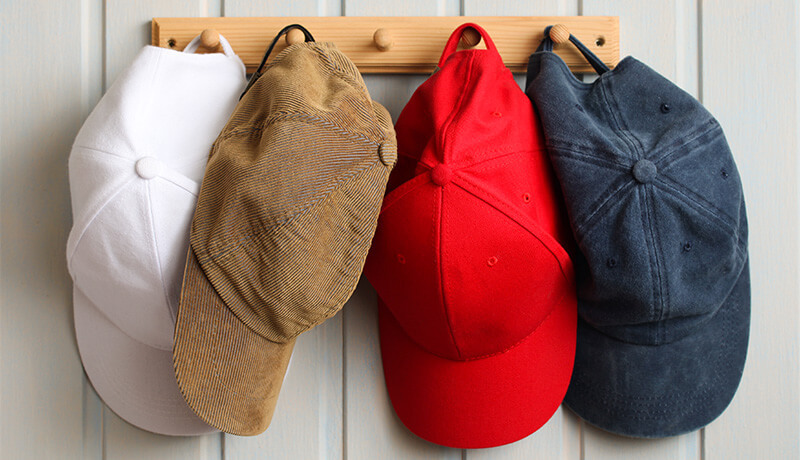
Get Your Ball Cap Professionally Cleaned by ByNext
Check the Care Label
Always start by checking the tag inside the sweatband. This label will include washing symbols indicating the fabric’s tolerance. It will specify if the cap is a washable baseball cap or if it requires professional care. If it says "Dry Clean Only," do not submerge it in water. The label also lists the fiber content, which will dictate the appropriate water temperature for washing.
Identify the Cap Material
-
Cotton: Most common and durable. It handles water well but can shrink when heated.
-
Polyester: Very resilient and holds color well. It is often found in modern athletic hats.
-
Wool: Extremely sensitive. Wool can lose its shape and felt up if you agitate it too much in water.
-
Vintage or Structured Caps: Older hats (pre-2000s) often have cardboard brims. If these get soaked, the brim will disintegrate. Modern hats usually have plastic inserts.
Test for Color Bleeding
Before washing, perform a spot test by dabbing a hidden area, like the inside of the seam, with water and a small amount of mild detergent. Gently rub the spot with a white cloth. If any dye transfers, stop immediately. This indicates the hat is not colorfast. In such cases, use a minimal-water method for washing your washable baseball cap.
Supplies You’ll Need to Wash a Ball Cap
You don’t need expensive tools to achieve professional results. Most of these supplies are likely already in your laundry room or kitchen.
-
Mild liquid detergent: Avoid anything with bleach or fabric softeners.
-
Soft-bristle brush or toothbrush: Perfect for scrubbing the sweatband without fraying the fabric.
-
Clean sink or bowl: Large enough to fully submerge the hat.
-
Cold or lukewarm water: This protects the fibers and prevents shrinkage.
-
Clean towel: Used for patting away excess moisture.
-
Hat mold or rounded object: A coffee tin or a balled-up towel helps the hat keep its shape while drying.
How to Wash a Ball Cap by Hand (Safest Method)
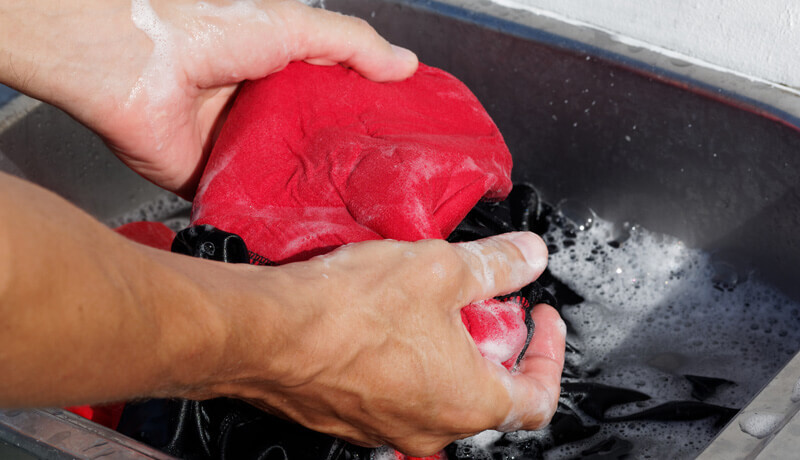
Hand washing is the best method for cleaning headwear. It allows full control over pressure and moisture levels. Follow these steps to properly wash a ball cap by hand.
Step 1 – Fill a Sink with Cold or Lukewarm Water
Fill your basin with cool water. Avoid hot water at all costs. High temperatures break down the elastic in the sweatband, causing the fabric to pull. Cool water is gentle on the dye and the fibers.
Step 2 – Add Mild Detergent
Pour about a tablespoon of mild liquid detergent into the water. Swish your hand around to create a light, soapy solution. You do not need a lot of suds. Too much soap is difficult to rinse out, leaving a crunchy residue on the fabric.
Step 3 – Spot Clean Heavily Soiled Areas
Dip the soft brush into the soapy water and focus on the inner rim where the hat touches your forehead. This area collects the most oil and sweat. Use gentle circular motions to clean it. If you spot any stains on the crown, treat them now with your baseball hat cleaner brush.
Step 4 – Soak the Cap
Submerge the entire hat in the water. Let it sit for 15 to 30 minutes. This allows the detergent to penetrate the fibers and lift deep-seated dirt. For wool or vintage caps, limit the soak to 10 minutes to prevent the material from becoming heavy and stretched.
Step 5 – Rinse Thoroughly
Run the hat under a stream of cool, clear water. Keep rinsing until the water runs clear, and no bubbles appear when you squeeze the fabric. Never twist or wring the hat. Wringing will snap the plastic in the brim and create permanent wrinkles in the crown.
Can You Wash a Ball Cap in a Washing Machine?
Many people wonder if they can take a shortcut by using a washing machine. While it’s possible, this method carries some risks. Only use the machine for hats you’re willing to risk losing if something goes wrong.
When Machine Washing Is Safe
This is only acceptable for modern, unstructured caps made of cotton or synthetic blends. If the hat has a very stiff, high crown, the machine might crush it. To protect the shape, use a baseball cap washer frame. This plastic cage keeps the hat secure while the machine spins. You can also place the hat in a mesh laundry bag to prevent the straps from getting tangled.
How to Machine Wash a Ball Cap Safely
Set your machine to the delicate or gentle cycle. Use cold water only to prevent fading. Add a small amount of mild detergent. It is best to wash the hat with a few similar colors to balance the load, but avoid heavy items like jeans or towels that could crush the cap.
When to Avoid Machine Washing
Never put a vintage hat in the machine. If the brim feels like thick cardboard when you tap it, stay away from the washer. Wool hats will also shrink significantly in a machine, even on a cold cycle. If the hat has intricate embroidery or sequins, the agitation will likely pull the threads loose.
Can You Wash a Ball Cap in the Dishwasher?
You may have seen videos claiming that the dishwasher is the best hat-washing solution, but most experts advise against it. Dishwasher detergents are harsh and often contain bleaching agents that can damage the fabric of your cap.
Also, the high heat of a dishwasher's drying cycle will instantly shrink the hat. While a dishwasher rack holds the shape well, the chemical and heat risks are too high for most quality headwear.
How to Remove Sweat Stains from a Ball Cap
Sweat stains are one of the biggest challenges when it comes to keeping your hat clean. They often leave unsightly white lines or yellow discolorations.
Removing Yellow Sweat Stains
Create a paste using baking soda and a small amount of water. Apply this paste directly to the yellowed areas on the sweatband. Let it sit for about an hour. The baking soda naturally lifts the acidic sweat residue from the fibers. Gently brush it away before starting your regular hand wash.
Removing Oil and Makeup Stains
For makeup or skin oils on the brim, apply a drop of mild dish soap. Dish soap is designed to break down grease and oils. Gently rub it in with your finger and let it sit for 10 minutes. This method works great as a baseball hat cleaner for stubborn forehead stains.
How to Wash White Ball Caps Without Yellowing
White hats are notorious for turning yellow over time. This happens due to a reaction between sweat and detergent residue. To keep them bright, avoid chlorine bleach. Bleach can trigger a chemical reaction that turns white polyester yellow.
Instead, use oxygen-based cleaners, which are safer and effectively brighten the fabric. Always air-dry white hats in the shade, as direct sunlight can cause "sun-scorching," leaving a yellow tint on damp white fabric.
How to Dry a Ball Cap Properly
The drying phase is where most people fail. Learning how to wash a ball cap includes knowing how to let it rest.
Air Drying
After rinsing, pat the hat with a clean towel to remove excess water. Avoid pressing too hard on the brim. Place the hat on a flat surface in a well-ventilated area. Do not place it in direct sunlight, as UV rays can bleach the fabric.
Using a Hat Mold or Household Items
To maintain the crown's shape, place the damp hat over a container, such as a small bowl or a rolled-up towel. This prevents the crown from collapsing or wrinkling as the fabric dries.
Why You Should Never Use a Dryer
The clothes dryer is the fastest way to ruin a hat. The tumbling action destroys the structural panels. More importantly, the high heat will shrink the sweatband, making the hat too tight to wear. It can also warp the plastic insert in the brim, leaving it permanently crooked.
How Often Should You Wash a Ball Cap?
If you wear your hat daily, aim to wash it every 2 to 4 weeks. If you use it for gym sessions or heavy outdoor work, you should wash it after every heavy sweat. This prevents the salt from permanently staining the fabric. Between deep cleans, use a damp cloth to spot-clean any visible dust or dirt.
Common Ball Cap Washing Mistakes to Avoid
Here are some common ball cap washing mistakes to avoid:
-
Using hot water, which can cause shrinkage.
-
Scrubbing too aggressively, leading to fabric pilling.
-
Putting caps in the dryer, which can ruin their shape.
-
Ignoring care labels and potentially damaging vintage cardboard brims.
-
Using harsh detergents with bleach can ruin the fabric.
-
Forgetting to use a baseball cap washer when machine washing.
Professional Ball Cap Cleaning – When to Choose ByNext
For your most prized possessions, a DIY approach might not be enough. If you have a limited-edition designer hat or a fragile family heirloom, professional help is the best choice. Choosing ByNext ensures that your headwear receives expert care using specialized equipment. We understand the delicate balance of cleaning fibers without damaging the structure.
For those living in a busy city, finding time for laundry is tough. You can check the cost of the laundry service online and see how affordable professional care is. If you are looking for a New York City laundry provider, we offer convenience that fits your schedule.
We provide a same-day laundry service in NYC for those who need their gear ready for the weekend. You can easily find our pricing on the website to plan your cleaning budget.
Book a Spotless Cap Cleaning with ByNext Today
FAQs - How to Wash a Ball Cap
Can I wash my ball cap every week?
Washing your hat every week is fine if you use the gentle hand-wash method. Frequent machine washing, however, can break down the fibers and fade the colors over time.
Will washing ruin the shape of my cap?
Washing won't ruin the shape as long as you avoid using a dryer or wringing the fabric. Air drying on a rounded object helps maintain the crown's shape, keeping it crisp and new.
What’s the safest way to clean a sweaty cap?
The safest method is to soak your cap in cool water with mild detergent. Focus on gently scrubbing the sweatband with a soft toothbrush to remove oils without damaging the fabric.
Final Thoughts
Understanding how to wash a ball cap is the secret to a long-lasting collection. Whether you have a washable baseball cap for the gym or a rare wool piece, the steps remain the same. Start with a material check and always prioritize hand washing over mechanical methods.
Using a specialized baseball cap washer or a high-quality ball cap cleaner ensures the fabric stays vibrant and the brim stays straight. Proper drying is just as important as the wash itself, so avoid the high heat of the dryer.
If the process seems too risky for your favorite hat, let the experts handle it. ByNext offers the precision and care needed for high-end accessories. We take the stress out of maintenance while providing top-tier results. Follow this guide to keep your headwear in peak condition for years to come.