









How to Get Rid of Oil Stains with Household Ingredients

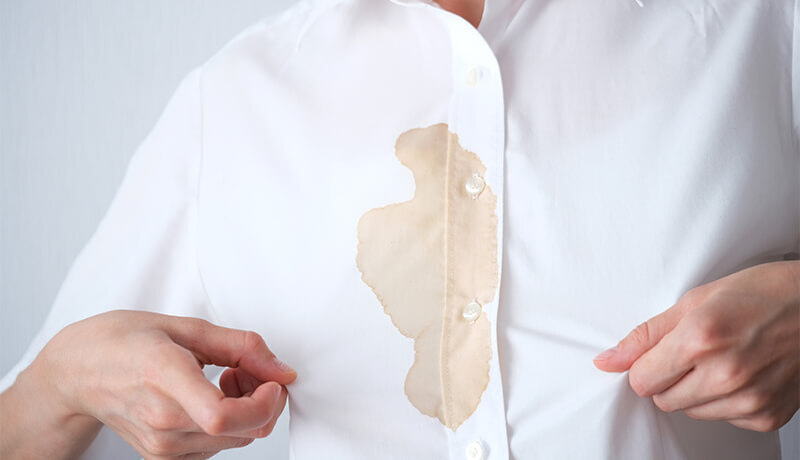
Oil stains are among the most stubborn laundry issues because grease can penetrate deep into fabric fibers within minutes. Whether it’s cooking oil splashing onto your shirt while frying, butter dripping during breakfast, or bike chain grease rubbing off on your jeans, knowing how to get rid of oil stains with household ingredients can prevent permanent damage. Many people believe that once oil stains appear on clothes, the garment is ruined, but that’s rarely true. With the right method, even set stains can be treated successfully.
Common kitchen staples like dish soap, baking soda, and vinegar are highly effective at breaking down grease molecules. This guide explains how to get rid of oil stains step by step, covering fresh spills, stubborn marks, and methods to remove oil stains from clothes without damaging fabric or color.

Understanding Oil Stains
Oil stains are particularly difficult to remove because grease bonds quickly with fabric fibers and repels water. Unlike coffee or juice spills that dissolve in water, oil penetrates deep into the threads, making it resistant to normal washing. This is why many people notice oil stains on clothes after washing; they weren’t broken down before heat and agitation locked them in.
Everyday situations like cooking with oil, handling fast food, or brushing against a greasy surface can cause stains that worsen over time. Without proper treatment, an oil stain can become a permanent mark on clothes. Understanding how oil behaves is essential to effectively removing oil stains and preventing long-term fabric damage.
What You Need to Remove Oil Stains
You don’t need expensive products to remove grease from clothes. Most effective solutions come from common household items that target oil at different stages. If the pricing structure of the service provider looks a bit expensive, start looking for these natural cleaners.
Baking Soda: Absorbs oil and helps lift stains from fabric fibers.
Dish Soap: Cuts through grease and oil, breaking down fatty residues.
Vinegar: Helps loosen and break down oil molecules.
Cornstarch: Works best on fresh stains by absorbing excess oil quickly.
Lemon Juice: Provides mild bleaching and grease-breaking properties.
Hydrogen Peroxide: Effective for stubborn stains, especially on white fabrics.
Soft Toothbrush or Cloth: Helps scrub stains without damaging fabric.
These tools are especially useful when trying to remove oil stains from clothes safely.
Also Read - Want to learn how to get stains out of whites? Our blog will provide you with the details.
Step-by-Step Guide: How to Remove Oil Stains from Clothes With Household Ingredients
Knowing how to get rid of oil stains requires the right order of steps. Acting too quickly with heat or skipping absorption can make stains worse. The following process works for both fresh spills and deeper stains, helping remove grease while protecting fabric quality.
Blot the Stain
The first and most important step in how to get rid of oil stains is blotting the affected area as soon as possible. Use a clean cloth, paper towel, or napkin to gently press down on the stain and absorb excess oil. This is especially helpful in real-life situations like spilling cooking oil on your shirt or dropping a greasy snack on your jeans. Blotting prevents the oil from spreading further into the fabric fibers.
Avoid rubbing the stain, as friction pushes grease deeper into the fabric, making it harder to remove later. Rubbing can also enlarge the stain, increasing the risk that it will become an old oil stain on clothes. The goal is to lift as much oil as possible before applying any cleaning agents.
Apply a Powder or Absorbent Ingredient
Once excess oil is blotted, apply an absorbent ingredient such as baking soda or cornstarch directly to the stain. These powders work by drawing oil out of the fabric fibers, making them especially effective for fresh spills from cooking or oily foods. This step reduces the chances of oil stains on clothes.
Let the powder sit for at least 15–30 minutes so it can absorb as much grease as possible. For heavier stains, you may notice the powder clumping as it absorbs oil; this is a sign it’s working. This step is also useful when trying to remove old oil stains from clothes that still contain trapped grease.
Create a Cleaning Paste
To further break down grease, mix dish soap with a small amount of baking soda to form a thick paste. Dish soap is designed to cut through oil, while baking soda provides gentle abrasion that lifts residue from fabric. This combination is highly effective in removing grease from clothes without damaging fibers.
Apply the paste directly to the stain and ensure it fully covers the affected area. This method works particularly well on collars, cuffs, and everyday clothing where grease builds up over time. It is also helpful for old grease stain removal that didn’t come out during the initial wash.
Scrub the Stain
Using a soft toothbrush or cloth, gently scrub the paste into the fabric using circular motions. This action helps loosen oil trapped deep within the fibers, making it easier to remove during rinsing. Scrubbing is especially useful when dealing with oil stains on clothes after washing.
Be careful not to scrub too aggressively, especially on delicate fabrics like silk or wool. Gentle pressure is enough to remove grease while maintaining fabric integrity. Over-scrubbing can weaken fibers or cause fading.
Rinse with Hot Water
After scrubbing, rinse the stained area with hot water if the fabric care label allows. Hot water helps dissolve and flush out the grease loosened by the cleaning paste. Always rinse from the back of the fabric to push oil outward rather than deeper into the fibers.
However, hot water should be used only after the stain has been treated. Applying heat too early can cause oil stains on clothes to set permanently. If the stain remains visible after rinsing, repeat the treatment before moving on to laundering.
Launder the Item
Once the stain has been treated and rinsed, wash the garment according to the manufacturer’s care instructions. Use the warmest water recommended for the fabric to help fully remove grease. This step completes the process of how to get rid of oil stains effectively.
Before placing the item in the dryer, inspect it carefully. Drying can permanently set any remaining grease, turning it into an old oil stain on clothes. If the stain is still visible, repeat the cleaning steps to remove oil stains from clothes completely.
Tips for Tough Oil Stains
Some of the toughest stains don’t come out on the first try, especially those that have been washed or dried already. These tips focus on deeper treatment methods for stubborn grease and old grease stain removal.
Use Hydrogen Peroxide for Stubborn Stains
For stains that refuse to come out, hydrogen peroxide can be a powerful solution, especially on white or light-colored fabrics. Mix hydrogen peroxide with dish soap and apply it directly to the stain. This method penetrates deep into fibers and helps remove old oil stains from clothes.
Allow the mixture to sit for 5–10 minutes before washing. Hydrogen peroxide works best on grease stains from cooking or grilling and is effective for removing older grease stains. Always test on a hidden area first to prevent discoloration.
Try a Commercial Stain Remover
If household methods don’t fully eliminate the stain, a commercial stain remover may be necessary. These products are specifically formulated to remove grease from clothes and are effective on heavy-duty stains such as motor oil or industrial grease.
Apply the remover according to the product instructions and allow it to sit before washing. Commercial solutions are often effective for oil stains on clothes after washing that have already been exposed to heat. Use them as a backup rather than a first step.
Avoid Using Hot Water Immediately
One of the most common mistakes people make is using hot water too soon. Heat can cause oil to bind permanently with fabric fibers, making stains much harder to remove later. This often leads to oil stains on clothes that appear darker and more stubborn.
Start with cool or warm water until the stain has visibly loosened. Once the grease has broken down, heat can be used safely. This approach reduces the risk of needing repeated treatments to remove oil stains from clothes.
How to Prevent Oil Stains from Setting in the Future
Prevention is often easier than learning how to get rid of oil stains repeatedly. Small habits can save clothes from permanent damage and reduce the need to remove old oil stains from clothes later.
Tips for avoiding oil stains:
-
Wear aprons while cooking or grilling.
-
Be cautious when eating oily or greasy foods.
-
Treat stains immediately before washing.
-
Avoid dryers until stains are completely gone.
-
Apply stain-resistant fabric treatments when possible.
These preventative measures help keep oil and grease stains out of clothes and prevent long-term damage.
Discover Easy Stain Removal Tips!
FAQS – How to Get Rid of Oil Stains
How do you remove dried oil stains?
Dried stains require absorption and degreasing. Baking soda and dish soap work well to remove old oil stains from clothes when used patiently.
Can you take oil stains off clothes?
Yes. Even oil stains on clothes can often be removed with repeated treatment and proper techniques.
What household ingredient works best for oil stains?
Dish soap is the most effective because it breaks down grease quickly and helps remove grease from clothes efficiently.
Conclusion
Understanding how to get rid of oil stains empowers you to save clothes that might otherwise be discarded. Oil stains may seem permanent, but with household ingredients and the right approach, even stubborn marks can be removed. Acting quickly, avoiding unnecessary heat, and using grease-fighting solutions help prevent oil stains on clothes after washing.
Whether you’re dealing with cooking spills, work-related grease, or an old oil stain on clothes, consistency and patience are key. With these methods, getting rid of oil stains becomes a practical, repeatable process that keeps your wardrobe clean, fresh, and long-lasting. If you’re short on time, contact an expert and book your service now for professional washing.