









The Complete Guide to Washing White Clothes Without Yellowing or Dullness

Mastering the art of washing white clothes is essential to keeping your wardrobe fresh and professional. Nothing ruins a crisp look faster than a dingy, greyish tint or those dreaded yellow patches that appear over time. Keeping your whites bright is a common challenge.
You might notice that your favorite t-shirts lose their luster after just a few cycles. This guide provides the ultimate roadmap to keeping your whites bright. We cover everything from industry secrets to simple home remedies. You will learn the best preventive practices to stop discoloration before it starts.
Whether you are wearing everyday wear or a special-occasion outfit, these tips help ensure your garments stay brilliant.
Why White Clothes Turn Yellow or Lose Brightness
Understanding the root cause of discoloration is key to improving your laundry routine. Many believe that a simple wash is enough. However, environmental factors and chemical reactions contribute to a dull appearance. However, environmental factors and chemical reactions can cause a dull appearance. Consistent care is the secret to longevity.
Sweat, Body Oils, and Stains
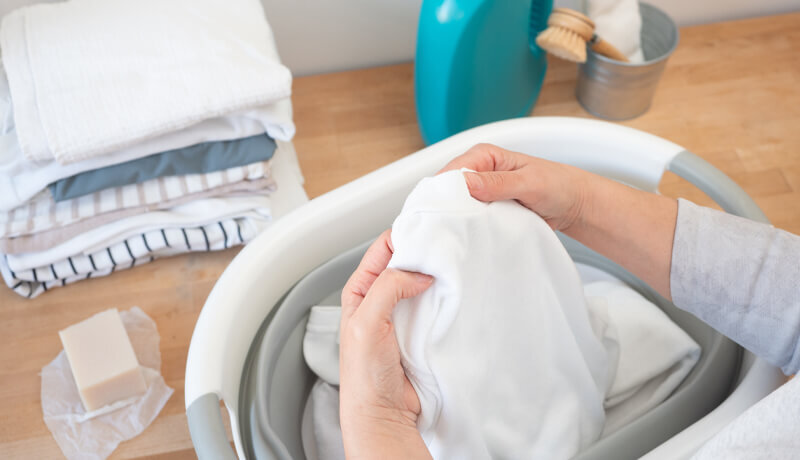
Your body naturally produces oils and sweat throughout the day. These substances seep into the fibers of your clothes. Over time, these organic materials build up. If they are not fully removed, they undergo a chemical change.
This process creates stubborn yellow stains on white clothes. Areas like collars and underarms are the most vulnerable. Without deep cleaning, these spots become permanent eyesores.
Bonus Read: Learn how to remove yellow stains from white clothes effectively and bring your favorites back to life!
Improper Detergent Use
Many believe that more soap equals cleaner clothes. This is a common mistake. Using too much detergent on white clothes can leave a heavy residue. This film acts like a magnet for dirt and minerals. It traps grime inside the fabric rather than washing it away. Harsh chemical formulas can also be too aggressive. They break down the delicate fibers and strip away the original brightness.
Water Quality
The water from your tap plays a significant role in laundry success. Hard water contains high levels of minerals like calcium and magnesium. These minerals attach themselves to the fabric during the cycle. This creates a grey or yellowish tint that is hard to reverse. If your whites look dingy despite your best efforts, your water quality might be the culprit.
Sun Exposure and Oxidation
Sunlight is a natural whitener, but it can be a double-edged sword. Leaving your clothes in harsh, direct sunlight for too long can actually cause yellowing. UV rays damage fabric’s chemical bonds, while oxidation occurs when clothes are stored for extended periods. Air and moisture react with any leftover residues, turning a pristine shirt into a yellowed mess.
Bleach Overuse or Misuse
It sounds unreasonable, but bleach for white clothes can be harmful if used incorrectly. Chlorine bleach is very powerful. Frequent use weakens the fibers of the cloth. Once the fibers are damaged, they lose their ability to reflect light. This results in a dull, yellowish appearance. It is important to note that washing white clothes with bleach is not a one-size-fits-all solution for all fabric types.
Preparing White Clothes for a Successful Wash
A great wash begins before you even turn on the machine. Proper preparation is key to preventing "wash-day disasters." Following a few simple steps ensures your whites stay free from unwanted colors or grime.
Sort Whites Properly
The most basic rule of washing white clothes is strict separation. Never mix your whites with colored items. Even a light grey or a pale pastel can bleed dye into the water. This dye transfer is often invisible at first but builds up over time. You should also separate by fabric weight. Do not wash heavy towels with delicate silk blouses. Friction from heavy fabrics can damage thinner fabrics.
Check Care Labels
Every garment has a story to tell through its care label. Manufacturers provide specific instructions for a reason. Some white fabrics require cold water to prevent shrinkage, while others need high heat to kill bacteria. Ignoring these symbols can lead to permanent damage. Always check if a piece is "dry clean only" before tossing it in the drum.
Pre-Treat Stains Immediately
Do not let stains sit. The longer a food or wine stain stays on the fabric, the harder it is to remove. Target sweat and oil marks as soon as you take the garment off. You can use a mild stain remover for this task. Natural solutions like vinegar or lemon juice also work wonders on fresh spots.
Learning how to whiten yellowed clothes through pre-treatment can save you from having to replace them later.
How to Wash White Clothes Without Yellowing
Execution is everything when you want to brighten white clothes. The correct settings and products make the difference between a dull shirt and a dazzling one. Follow these steps for a perfect load every time.
Choose the Right Water Temperature
Temperature matters for different materials. Use warm or hot water for sturdy fabrics like cotton. Heat is effective at breaking down body oils and heavy dirt. However, use cold water for delicate items such as lace or synthetics. Very hot water can actually weaken some fibers over time. This results in a loss of structural integrity and a faded appearance.
Select the Best Laundry Detergent
Invest in a high-quality laundry detergent for white clothes. Look for formulas that contain optical brighteners. These ingredients reflect light, making the fabric appear whiter. You can also opt for oxygen-based detergents.
These are generally safer than chlorine options. Eco-friendly options are also available, providing a deep clean without harsh toxins. Using the right detergent for white clothes helps keep residue to a minimum.
Avoid Overloading the Machine
It is tempting to cram everything into one load. This is a mistake for washing white clothes. The machine needs space to circulate the water and soap. If the drum is too full, the clothes cannot rub against one another to remove dirt. Furthermore, the rinse cycle will not remove all soap. This leads to the detergent buildup we discussed earlier.
Use Proper Washing Cycles
Match the cycle to the fabric. A "normal" or "heavy-duty" cycle is great for towels and bedding. For your dress shirts and blouses, use the "gentle" or "delicate" setting. Avoiding long, aggressive cycles for thin fabrics helps them last longer. Shorter cycles reduce the stress on the fibers, keeping them smooth and bright.
Tip: If you have a load of heavy cotton towels, washing white clothes with bleach can help sanitize the fabric while removing deep-seated stains.
Natural Whitening Boosters for White Clothes
You don't always need harsh chemicals to get great results. Some of the best whitening agents are already in your kitchen pantry. These eco-friendly options are gentle on your skin and the environment.
White Vinegar Method
White vinegar is a laundry superstar. Add 1 cup to the final rinse cycle. It helps break down any remaining soap film. It also acts as a natural fabric softener. This method is excellent for removing odors and restoring the "pop" to your whites.
Baking Soda Method
Baking soda is perfect for both whitening and deodorizing. Add ½ cup directly into the drum with your laundry detergent for white clothes. It enhances the soap's cleaning power. It also helps regulate the water's pH. This prevents minerals from dulling the fabric.
Lemon Juice for Stubborn Yellowing
If you have heavily discolored items, try a lemon juice soak. Citric acid is natural for bleaching white shirts. Mix lemon juice with warm water and submerge the garment for an hour. This is a safe alternative to bleach for white clothes with harsh chlorine. It works especially well on organic stains like grass or juice.
Hydrogen Peroxide as a Safe Bleach Alternative
Hydrogen peroxide is an "oxygen bleach" that is safe for most washable fabrics. It doesn't have the harsh fumes or fiber-damaging properties of chlorine. Use a 3% solution and add it to your wash. It is fantastic for removing blood stains and general yellowing. Always dilute it properly to ensure the best results.
Preventing Yellowing and Dullness in the Long Term
Consistency is the secret to a bright wardrobe. You cannot just fix the problem once; you must maintain it. These long-term habits will keep your whites in top condition for years.
Wash Whites Regularly
Don't wait for a full basket to wash your whites. If you let a sweaty shirt sit for a week, the oils will set into the fibers. Regular washing of white clothes prevents this build-up. Even if a shirt looks clean after one wear, it likely has invisible body oils on it. Frequent, gentle cleaning is better than occasional, aggressive scrubbing.
Use Cold Water When Possible
While hot water is good for heavy soil, cold water is better for maintenance. It puts less stress on the fabric. Cold water prevents the fibers from fraying. Frayed fibers trap more dirt and look duller. Using cold water for lightly soiled loads helps preserve the original finish.
Store Clothes Properly
Storage is where many whites go to die. Avoid plastic bins or bags. Plastic can trap moisture and gases, leading to yellowing. Instead, keep your whites in a cool, dry, and dark place. Use breathable fabric bags or cotton sheets for long-term storage. This allows air to circulate and prevents oxidation.
Rotate Your White Clothes
We all have a favorite white tee. However, wearing the same item too often leads to faster degradation. Rotation gives the fibers time to "rest." It also reduces the frequency of heavy washing for a single item. By spreading the wear across several pieces, each one stays brighter for longer.
Clean Your Washing Machine
A dirty machine cannot produce clean clothes. Residue from previous washes, hair, and mineral scales build up in the drum. This "muck" can transfer back onto your pristine whites. Run a cleaning cycle monthly. Use a dedicated washing machine cleaner or a mix of vinegar and baking soda. This ensures every load starts in a fresh environment.
Professional Laundry Services – When to Consider ByNext
Sometimes, DIY methods aren't enough for luxury fabrics or extreme stains. This is where professional help becomes invaluable. If you have a high-end designer shirt or a delicate wedding garment, you shouldn't risk a home wash. Professionals have access to industrial-grade equipment and specialized solvents that are safe for various textiles.
Choosing a dry cleaning pick up & delivery service saves you time and stress. Experts know how to handle specific stains without damaging the integrity of the cloth. We can achieve a brightness level that is difficult to match on a standard home machine.
For the best results, look at our pricing and service options online. You can easily book now to have your favorite pieces restored to their former glory.
Expert Laundry Care Starts Here
FAQs - Washing White Clothes
What is the safest way to bleach white clothes?
The safest way is to use hydrogen peroxide or oxygen-based bleach for white clothes. If you must use chlorine bleach, always dilute it in water first.
How can I remove sweat stains effectively?
Create a paste using baking soda and a little water. Apply it to the yellowed areas and let it sit for at least 30 minutes.
What water temperature should I use for white clothes?
Use the warmest temperature allowed by the care label. For cotton towels and sheets, hot water ($60^\circ$C) is best. For daily clothes like t-shirts, warm water ($40^\circ$C) is usually sufficient.
Final Thoughts
Mastering the process of washing white clothes doesn't have to be a chore. By following the right steps, you can keep your favorites looking brand new. Remember to sort your laundry strictly and treat stains as soon as they appear. Using the correct laundry detergent for white clothes and avoiding overloading the machine will yield immediate results.
Whether you prefer natural boosters like vinegar or the precision of a professional service, the goal remains the same: crisp, brilliant whites. Avoid common pitfalls such as over-bleaching and improper storage. With these expert tips, you can say goodbye to dullness and yellowing forever. Your wardrobe is an investment, and proper care ensures it pays off every time you get dressed.