
 June 6, 2024
Stains
June 6, 2024
Stains
How to Get 15 Common Stains Out of Clothes? Ultimate Guide
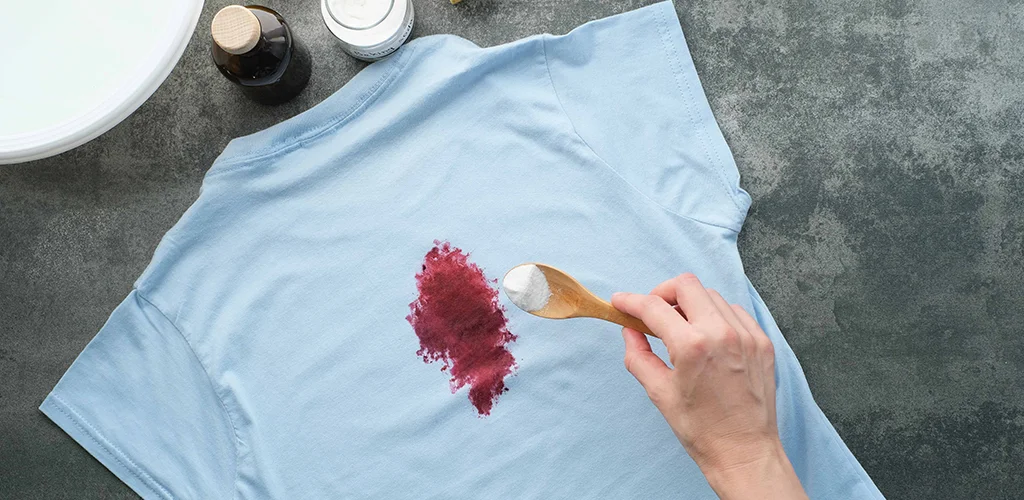
Stains on your clothes could be of many types. It can be grease, ketchup, or even coffee stains. The only thing that matters is how to remove common stains from clothes. There are many ways you can try at home, such as using baking soda and vinegar in the washing process.
Besides that, you can contact a professional laundry and dry cleaning service, such as ByNext, to remove common stains from your clothes. Are you thinking about why ByNext is the right choice? Well, the materials and equipment we use are the secret of our unmatched service.
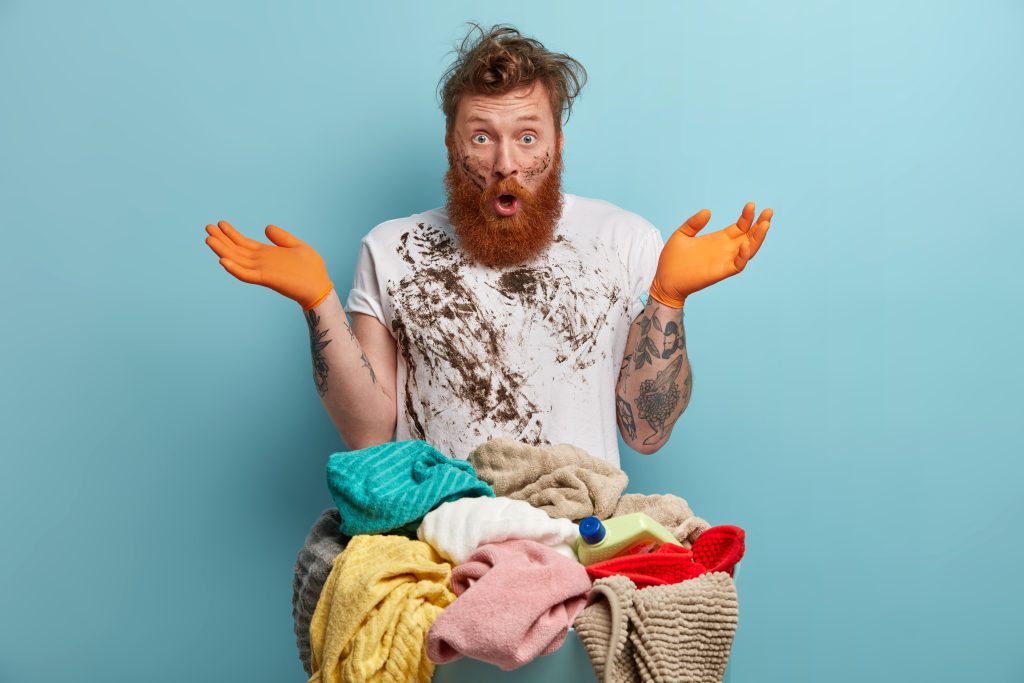
So without any further delays, let’s have a look at some common types of stains your clothes can get:
3 Rules You Must Follow Before Treating Any Stain
Rule 1 — Act Immediately
The first few minutes after a spill occurs are absolutely critical to saving your garment. Right now, the liquid is merely sitting on the fabric fibers; if you wait, it will chemically bond with the threads, making removal nearly impossible. Even if you cannot properly treat the mess right away, immediately rinsing the area with cold water buys you precious time and keeps the stain from setting.
Rule 2 — Always Patch Test First
Before you apply any stain remover, hydrogen peroxide, rubbing alcohol, or vinegar to the blemish, you must test it on a hidden area first. Dab a small amount onto an inside hem or an inner seam, wait two full minutes, and check for color loss or fabric damage. Skip this crucial step, and you risk permanently bleaching or burning a hole in your favorite clothes.
Rule 3 — Never Put a Stained Item in the Dryer
This is the ultimate, non-negotiable rule of laundry: dryer heat permanently bakes any remaining residue into the fabric fibers, turning a temporary mishap into a permanent scar. Always inspect your wet garments in bright light immediately after the wash cycle finishes. If you can still see even a faint trace of the stain, you must re-treat and re-wash it before letting it anywhere near the dryer.
Everyone needs to understand the stain removal technique because the process can vary according to the stain and fabric type. So, to remove common stains, you should understand certain factors like the chemical reactions, the solubility of some specific substance, and the special use of enzyme-based detergent to deal with stains like blood, food, and sweat.
Now you can understand the basic steps required for how to get common stains out of clothes. But, if you want a detailed explanation, you have it.
The Science Behind Stain Removal
Everyone needs to understand the stain removal technique because the process can vary according to the stain and fabric type. So, to remove common stains, you should understand certain factors like chemical reactions, the solubility of specific substances, and the special use of enzyme-based detergents to deal with stains like blood, food, and sweat.
Now you can understand the basic steps for removing common stains from clothes. But if you want a detailed explanation, you have it.
Understanding Different Types of Stains
As a beginner or someone new to washing clothes, you need to understand the different types of stains. Let’s start with organic stains. These are mostly grass, wine, and coffee stains and can only be removed with an enzyme-based laundry detergent. In other words, it’ll be one of the answers to “how to remove most stains from clothes.”
Oil-based stains like grease or makeup must be removed using solvent cleaners or degreasers, and water-based stains such as soda or juice must be treated with regular detergents or solutions for removing stains from white clothing.
Hot or Cold? The Split-Second Decision That Saves Your Clothes
Your first reaction when a spill occurs is to reach for a stain remover. The water temperature is more important than the substance you use, though. If you choose the incorrect one, the stain will be permanently baked into the cloth.
Always Use Cold Water For:
Blood, Sweat, & Deodorant: Heat cooks the proteins, locking them into the fibers forever.
Coffee, Tea, & Red Wine: Hot water bonds tannins and anthocyanin dyes deeper into the cloth.
Grass: Heat permanently sets the green chlorophyll dye.
Ink & Markers: Warmth spreads the solvent, making the stain larger.
Ketchup & Tomato Sauce: Heat fixes the bright red lycopene pigment.
Chocolate: Hot water melts and bonds the cocoa fats directly into the threads.
Save Warm Water For:
Grease & Oil: Warmth is required to break down and lift fat molecules.
Crayon & Wax: Warm water softens the wax, allowing it to release its grip on the fabric.
Fruit Juice: Warmth helps dissolve and lift sugar-based sticky residues.
The Golden Rule to Remember: If it came from something living (blood, sweat, food) or has heavy pigment (wine, ink, coffee)—always use cold. If it’s oily, waxy, or greasy—go with warm.
Pre-Treatment: Why It’s Your First Step to Success
Do you have a question about why pretreating your clothes should be the first step to removing tough stains? That’s because, as the stain gets older, removing it with a simple wash is difficult. That’s why pretreating the stain with the required material is necessary, as it’ll loosen up the stain’s density.
This way, when you finally go to wash your precious clothes, all the stains will be removed without leaving any trace. Remember to share this simple step with your friends, as it’s important to address the question of how to remove most stains from clothes.
DIY Stain Removers: Natural and Effective Solutions
DIY stain removers can assist you in unexpected situations. So, let’s have a look at the stain removers you can use to get rid of stains from your outfits:
Baking soda
Lemon juice
Vinegar
Cornstarch
Salt
Check professional pricing and see how affordable expert stain removal can be
Crafting Your Homemade Stain Remover
Are you looking to craft a homemade stain remover for how to get common stains out of clothes? Well, it’s easy. Just follow the points mentioned below:
Start by mixing baking soda, dish soap, and hydrogen peroxide in a bowl, then stir well to form a paste to remove unidentified stains. Then, apply the solution to the stained area of your outfits.
Then leave the solution on your clothes for 10 to 15 minutes so it can penetrate deep into the fibers. Then, simply wash your clothes in the washing machine as per the instructions mentioned on the label.
Step-by-Step Guide to Removing Common Stains
How To Remove Wine and Beverage Stains
If you find wine or beverage stains on your clothes, start by blotting the stains, then apply an authentic stain remover to remove common wine and beverage stains. Pretreat your clothes with a vinegar solution, then start washing them.
How To Remove Protein-Based Stains (Blood, Dairy, Eggs)
After you’ve learned how to remove most stains from clothes by acting quickly, move on to the next part. Rinse your clothes in cold water and apply an enzyme cleaner. Leave the solution on the stain for a few minutes, and finally wash it.
How To Remove Ink and Marker Stains
To remove ink stains from your clothes, start by blotting the area, then apply alcohol to the stain. Then, continue repeating the process two to three times and rinse it with water to get a clean and fresh cloth in your hands.
How To Remove Grease and Oil Stains
Now come grease & oil stains, and you’ll have the same question: “How to get common stains out of clothes.”
Apply a sprinkle of a natural stain absorbent, such as powder or baking soda, and let the solution rest for at least 30 minutes. Rinse the area with hot water, then finally wash your clothes.
How To Remove Cosmetic Stains (Makeup, Lipstick)
You need to identify the makeup stain first, whether it’s oil-based or water-based, then opt for the right one. Now, pretreat the stain with liquid laundry detergent or a stain remover, then wash your clothes as usual. It’ll help you remove stains from dried white clothes.
How To Remove Grass and Mud Stains
Getting common stains out of clothes, like grass and mud, requires brushing the area first. Pretreat the stain with a solution of water and white vinegar, and then wash it in the washing machine.
How To Remove Fruit and Vegetable Stains
Start by rinsing the stained area with cold water to prevent the stain from spreading further. After that, rub the stained area to get the pretreating solution to soak in, then wash your clothes to get a fresh piece in your hands.
How To Remove Coffee and Tea Stains
Blot the stain first with a clean cloth, then rinse your outfit with cold water. Pretreat the stain with a solution of water and vinegar and start washing your outfits to remove tough stains.
How To Remove Chocolate and Sweet Stains
Getting the answer to how to remove tough stains from clothes at home, like chocolate and sweet stains, requires scraping off the excess part with a sharp-edged object and then pretreating it with dish soap. Rub as per instructions, and finally, wash your outfit.
How To Remove Sweat and Deodorant Stains
Getting rid of seat and deodorant stains is a bit different. You need to pretreat it with a solution of lemon juice, water, and vinegar. Then, after washing your clothes, check the condition and repeat the process if necessary.
How To Remove Sauce and Condiment Stains
If you want to get rid of sauce and condiment stains from your clothes, start by scraping off the excess. Apply an authentic liquid laundry detergent and soak it in with a washing solution for at least 30 minutes before finally washing the fabric.
How To Remove Crayon and Wax Stains
Crayon and wax stains are included in the list of “what stains cannot be removed from clothes.” But don’t worry, there’s a solution to it. Start by scraping off as much of the excess as you can. Pretreat your clothes with a stain remover before washing them.
How to Remove Dye Stains from Other Clothes
To remove dye stains from your clothes, pretreat the stain with a stain remover or liquid laundry detergent. Now soak your clothes in cold water, then wash them in a washing machine.
Mystery Stains: Approaching the Unknown
If your clothes get some mystery stains, start by identifying the type. Then create a strategy for removing common stains from clothes. Either use a general stain remover or a laundry detergent for pretreatment and start washing as per the instructions.
Advanced Tips for Tough Stain Challenges
There are many advanced tips for ‘how to remove stains from colored clothes at home.’ If you don’t know about them, then read the following:
Eliminating Static Cling Naturally
The first thing you can do is keep the airflow in your living area clear, as your outfits could sustain damage from moisture absorption. Make use of vinegar and fabric softeners when washing your clothes, and keep an anti-static spray for removing common stains from clothes.
Dealing with Set-In Stains
Begin by identifying the type of stain to develop a washing strategy. Then pretreat the stain with laundry detergent or a homemade stain remover. It’ll make your clothes clean and stain-free, like they were never there.
Stains on Special Fabrics
Removing stains from special fabrics requires specific washing treatment, which can be done easily by reading the label. Make sure you test the washing solution first so that there won’t be any side effects on your outfit.
What to Do When a Stain Won’t Budge: Last Resort Solutions
Well, if there’s no washing process and the solution works to get rid of stains from your clothes, consult an experienced one for how to get common stains from clothes.
When to Stop DIY and Call a Professional Cleaner
Sometimes, a stain gets the best of your laundry room. Here are five concrete scenarios where you should put down the home remedies and hand the garment over to an expert:
Situation 1 — The Stain Has Been Through the Dryer: Dryer heat bakes stains into the fabric at a molecular level. Professional cleaners carry industrial solvents not available to consumers that can sometimes reverse this damage—but only if you bring it in quickly, without trying more home hacks.
Situation 2 — The Fabric Says “Dry Clean Only”: For delicate materials like silk, pure wool, cashmere, velvet, or acetate, water-based DIY treatments are a disaster. They almost always trigger shrinkage, texture warping, or severe color bleeding.
Situation 3 — An Unknown or Chemical Stain: Messes involving paint, heavy adhesives, dye transfers, or total mysteries require precise identification of the chemical solvent. Guessing with household products can cause an adverse reaction, permanently setting or spreading the chemical.
Situation 4 — Two or More Failed Home Attempts: If you have treated and washed a garment twice without success, the residue is partially bonded. Continued aggressive scrubbing or treating will just fray and weaken the fabric fibers.
Situation 5 — High-Value or Sentimental Garments: Whether it is a wedding dress, a tailored suit, a designer piece, or a vintage family heirloom, the risk of accidental DIY damage is simply too high to justify.
Schedule a pickup with ByNext in seconds
FAQs
How do you remove common stains?
Removing common stains is easy. Start by blotting the excess, pretreating it with an authentic cleaner, then washing it with hot water.
What is the most common stain removal?
Liquid laundry detergent and authentic stain removers are the most common stain removers.
How do you get old, unknown stains out of clothes?
You can start by spot-testing the stain, pre-treating with a gentle washing solution, and soaking it in water if needed.
Wrap Up!
How to get common stains out of clothes is the most commonly asked question you’ll find on the internet. That’s because you cannot protect your clothes from stains, no matter how hard you try, and who knows what kind of stains get on them. However, after reading this blog, you’ll learn about different types of stains and have an authentic procedure to get rid of them as well.
Relevant Posts
-
 April 29, 2026
Hotel Linen Management: Why Outsourcing Laundry Saves Them Costs
-
 April 27, 2026
How to Keep Your Sneakers Looking Brand New: Top Cleaning Tips
-
 April 24, 2026
Hire Professional Office Cleaning Services Today for a Spotless Workspace
-
 April 22, 2026
How to Get Color Bleed Out of Clothes: Simple Fixes That Actually Work
-
 April 20, 2026
Locate ByNext Laundry Pick-Up and Delivery Points in Your Area
-
 April 17, 2026
Understanding Laundry Solutions: Different Types of Laundry Services Explained