
 April 8, 2024
Stains
April 8, 2024
Stains
How To Remove Sweat Stains From Your Clothes: A Comprehensive Guide
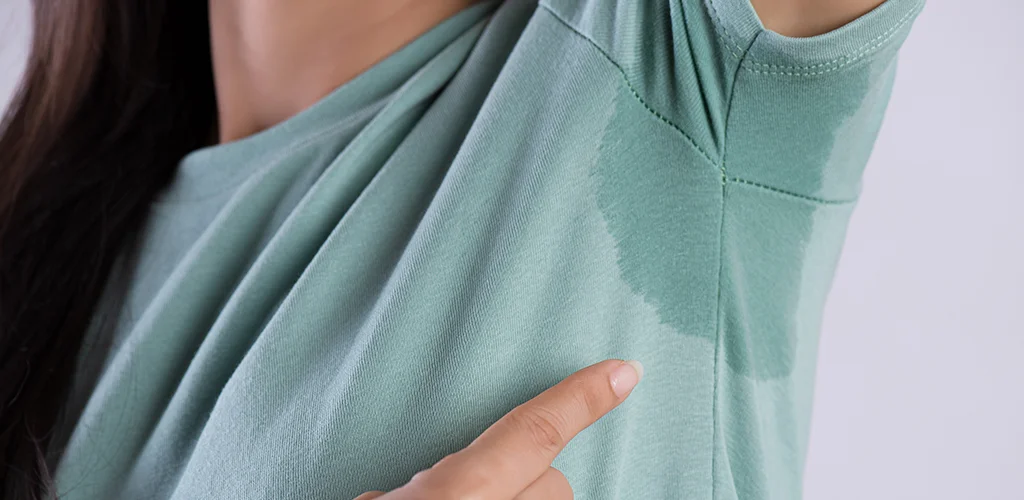
Nothing ruins a perfectly styled outfit like the sudden realization that there are unsightly, stiff yellow pit stains or those chalky white salt rings. Whether it is your favorite white dress shirt or your go-to workout gear, these stubborn blemishes can make your “pristine” clothes feel totally unwearable.
The good news? Sweat stains are an incredibly irritating, kind of universal laundry nightmare, but they aren’t permanent if you know how to tackle them.
Understanding the true chemistry of fabric care and generic washing cycles is key. You can totally dissolve buried residues and eliminate lingering scents by combining targeted, fabric-specific procedures with basic, everyday household substances.
This thorough guide will lead you through the best possible step-by-step restoration procedure to save your clothing, safeguard your investment, and maintain the perfect appearance of your wardrobe.
The Science of Sweat Stains
Sweat is mostly made from water, but it also includes small amounts of electrolytes, bacteria, and other types of toxins. The excretion of bacteria and toxins from your body can lead to a smelly, staining mess on your clothes. Antiperspirants plug the sweat glands and can reduce the amount of liquid that comes out.
How to remove sweat stains at home? Treating your sweat-stained clothes at home is an ideal choice. Taking care of your clothes is an important aspect of maintaining the dress’s integrity. It also saves you money by extending the life of your garments.
Best Laundry & Dry Cleaning Services
Types of Sweat Stains Explained
Not all sweat stains are the same, and knowing what you’re actually dealing with is kinda the key to picking the right treatment approach. Usually, you’ll spot one of these four common causes:
Yellow Stains: Sweat itself is transparent, unlike what many people think. The natural proteins in your perspiration and the aluminum minerals in commercial antiperspirants react chemically to produce these tenacious yellow patches.
White Salt Marks: These rigid, powdery white outlines, frequently observed on darker clothing after strenuous exercise or on hot days, are only the dried mineral salts and urea that remain after perspiration evaporates.
Old or Embedded Stains: Unfortunately, some stains have been baked into the fabric fibers; this is typically the result of the item being dried in a hot dryer before the stain was eliminated. To dissolve the bound residue, they need deeper, more thorough pre-treatments.
Underarm Stains on Shirts: The traditional “pit stain” is an extremely concentrated mixture of body oils, sweat, deodorant, and dead skin cells. Odor-causing germs are eventually trapped in this thick deposit, making the fabric stiff, discolored, and difficult to freshen with a typical wash cycle.
What Causes Sweat Stains?
Sweat causes stains due to the chemical reaction, it contains a compound called urea, which can break down into ammonia when it reacts with bacteria on the skin. The ammonia then reacts with dye causing a stain or discoloration.
One of the factors of sweat-causing stains could be aluminum which is an active ingredient in antiperspirant, combined with the proteins in underarm sweat. But skipping antiperspirant may not be the best idea, especially if you sweat excessively.
The Lifespan of Sweat Stains
First of all, sweat stains should be treated immediately without any delay, as untreated stains could lead to a permanent stain or discoloration of a garment.
Although it can vary based on factors such as the type of fabric, the severity of the stain, and treatment. However, with proper care and treatment, the sweat stains can be effectively removed, extending the lifespan of the clothing.
Does Sweat Stain Clothes Permanently?
The factors that are involved in sweat stains to become permanent are as follows:
Fabric Type
Most of the fabrics are more prone to retaining sweat stains than others. Natural fibers like cotton and silk absorb sweat instantly, making stains harder to remove sweat stains from colored shirts.
Sweat Composition
The composition of your sweat can also affect, including diet, hydration levels, deodorant, and medications can influence the chemical reaction of your sweat.
pH LevelsThe nature of sweat is slightly acidic, which means if it’s left untreated then it can interact with the fabric and cause discoloration. If the pH level is neutral or alkaline, then it can help neutralize the acidic components of sweat and remove sweat stains from clothes.
Heat and Time
Exposing or applying heat on the stained shirts is not recommended, as heat can set sweat stains into fabric fibers. Making them more challenging to remove.
- Washing and Drying Conditions
Inappropriate washing or drying methods such as: using hot water or high heat settings could set sweat stains permanently. Making sure to follow the care instructions on the garment label can help prevent this.
Overall, addressing sweat stains promptly with appropriate treatment methods and laundering techniques can help prevent them from becoming permanent and that’s how to remove sweat stains from clothes.
Step-by-Step Guide to Removing Armpit Sweat Stains
Let’s learn how to remove sweat stains from white clothes by incorporating the step-by-step guide below:
Supplies Needed
Before starting the stain removal process, make sure you gather all the required supplies and materials. As many of the items you will need are likely available in your pantry:
2 cups of waterF
1 cup of white vinegar
½ cup of baking soda
1 tablespoon of table salt
1 tablespoon of hydrogen peroxide
A clean toothbrush or spoon
Step 1: Pre-Treatment
This pre-treatment step is regarding how to remove sweat stains after you have gathered all the necessary materials. Combine one cup of mild detergent with two cups of water to create a soaking solution. Keeping the following fabric standards in mind, pour the solution into a big basin or tub and soak the sweat-stained garment in the mixture for at least half an hour.
Cotton & Linen (Durable Fabrics): The soaking solution can be made using warm water. Before soaking, feel free to apply a tablespoon of baking soda directly to the soiled patch of white cotton to help dissolve perspiration oils.
For Synthetics and Activewear (Polyester/Nylon): Soak only in cold water. Steer clear of harsh detergents and fabric softeners, as they can coat synthetic fibers and permanently trap germs and perspiration odor within the weave.
For Delicates (Silk and Wool): Limit the amount of time spent soaking to no more than ten to fifteen minutes. Because conventional detergents include enzymes that can actually break down and harm natural animal fibers like silk and wool, make sure you are using an enzyme-free, specialty sensitive wash (like wool wash).
Step 2: Wring Out Excess Water
After about half an hour, remove the clothing from the towel, and gently squeeze out any remaining water. The stain-removal paste can properly enter the fabric without being diluted if extra water is wrung off. Spread the garment out on a level surface and handle it according to these fabric-specific guidelines:
For Cotton and Linen: These durable fabrics can handle a firmer squeeze, but avoid twisting violently to prevent stretching out the collar and armpit seams.
For Synthetics and Activewear: Gently press the water out rather than twisting, as synthetic fibers can easily lose their shape and elasticity when wrung too harshly.
For Delicates (Silk and Wool): Never twist or wring these materials; use the towel-roll method, pressing down gently to let the towel absorb moisture without damaging the fragile fibers.
Step 3: Create a Stain Removal Paste
The tailored treatment you develop to dissolve yellow sweat stains is the game-changer. A potent lifting agent made from baking soda and common household items can save both white and colorful clothing. Combine the contents, being mindful of the following safety modifications for your particular fabric:
For White Cotton and Linen: Use the standard recipe (1/2 cup baking soda, 1 tablespoon salt, 1 tablespoon hydrogen peroxide), as peroxide is a safe, natural whitener for these sturdy fabrics.
For Colored Clothes and Synthetics: Omit hydrogen peroxide and use just baking soda and water, or a splash of vinegar, because peroxide can bleed or fade dye on dark and synthetic fabrics.
For Delicates (Silk and Wool): Skip this abrasive DIY paste entirely; instead, create a gentle mixture of equal parts white vinegar and water to avoid corroding delicate natural fibers.
Step 4: Use a Toothbrush to Scrub the Stain
When your paste is finished, apply it to the fabric to remove the perspiration residue. Using a soft-bristled toothbrush or the back of a spoon, apply the mixture to the soiled areas and leave it on for 20 minutes. Depending on the substance, modify the scrubbing friction:
For Cotton and Linen: Use moderate, circular scrubbing motions with the toothbrush to ensure the paste works deep into the tight, woven fibers.
For Synthetics and Activewear: Use very light pressure with the toothbrush or simply use your fingers to work the paste in, as rough bristles can cause pilling on polyester.
For Delicates (Silk and Wool): Do not scrub with a brush; gently smooth the vinegar solution over the fabric with a soft microfiber cloth or your fingertips to prevent tearing.
Step 5: Machine Wash with Hot Water
Finish the process by washing your clothing to remove any residual buildup after the treatment has sat. Because machine heat will permanently bake in any remaining discoloration, always check the item before drying and let it air dry naturally. Based on the needs of the cloth, select your wash cycle:
For Cotton and Linen: Wash on a regular cycle with warm water to effectively flush out the heavy baking soda paste and dissolve body oils.
For Synthetics and Activewear: Wash on a normal cycle, using only cold water, and never add fabric softener, which ruins the sweat-wicking capabilities of gym gear.
For Delicates (Silk and Wool): Hand-wash or use the machine’s dedicated “delicate/wool” cycle with cold water, and place the garment in a mesh laundry bag for protection.
What NOT to Do
One mistake can unintentionally permanently set the discoloration on your favorite clothing when you attempt to remove sweat stains. Avoid these crucial mistakes at all costs to safeguard your clothes and make sure your stain-removal attempts truly succeed.
Don’t use hot water before treating the stain
Don’t dry clothes before the stain is completely removed
Don’t rub aggressively, as this can damage and weaken fabric fibers
Don’t use bleach on colored clothes
Pro Tips for Perfect Stain Removal
A few insider tips are necessary to master the art of laundry and maintain brand-new, immaculate clothing. You may effortlessly remove even the most difficult stains without sacrificing the integrity of your clothing by using these professional-recommended techniques. These proactive practices and astute methods will improve your clothing care regimen and increase your success rate.
Treat stains immediately for best results.
Use oxygen-based bleach for old stains.
Always test the solution on a hidden area
Deodorant choice affects staining
Cold vs warm water timing matters
Allow the deodorant to dry completely before getting dressed
Wash workout gear and shirts inside out
Air-dry garments until you are sure the stain is completely gone
FAQs – Advanced Sweat Stain Removal Tips
How do you remove dried sweat stains?
Soak the garment in a mix of equal parts white vinegar and water for 30 minutes to loosen the buildup. Then, apply a baking soda paste to the spot, scrub gently, and wash as usual.
How do you remove sweat stains naturally?
Soak the clothing in a solution of one part white vinegar and two parts warm water to break down oils. Alternatively, apply a paste of baking soda and water directly to the yellowed area before washing.
Can vinegar remove sweat stains from clothes?
Yes, the natural acidity of white vinegar cuts through the mineral salts and deodorant residues trapped in fabric. It breaks the bond between sweat proteins and fibers, effectively eliminating both discoloration and stubborn odors.
Does baking soda remove sweat stains?
Yes, baking soda acts as a natural deodorizer and mild abrasive that lifts yellowing away from the material. When mixed into a paste with water, it draws out embedded oils and sweat residues from the fabric.
What is the fastest way to remove sweat stains?
Apply a mixture of liquid dish soap and hydrogen peroxide directly to the stain, then scrub briefly with a toothbrush. Let it sit for ten minutes, then rinse with cold water for a rapid cleanup.
Conclusion
Summing it all up, stains can be frustrating, especially when caused by sweat. They not only cause musty odors but also leave tough stains, whether it’s on your favorite shirt or any other garment. If you are concerned about removing sweat stains from your clothes, we have compiled a comprehensive guide for you.
This guide includes pre-treatment or prompt action, wringing out excess water, making a stain-removal solution, using a toothbrush to scrub the stain, machine-washing with hot water, and so on.
By incorporating these steps, you can not only remove dark armpit stains but also prolong the lifespan of your garment by giving it a proper treatment. Or else, it will get discolored ultimately.
Make sure to avoid using the dryer or applying heat to the shirt, as heat can set stains and make them harder to remove. Additionally, using the appropriate laundry detergents and products to remove sweat stains will help you a lot.
Furthermore, ByNext can be a game-changer if you are seeking professional wash-and-fold solutions to eliminate sweat stains. Contact us via our official website, place your order at your convenience, and just trust in our process!
Relevant Posts
-
 April 29, 2026
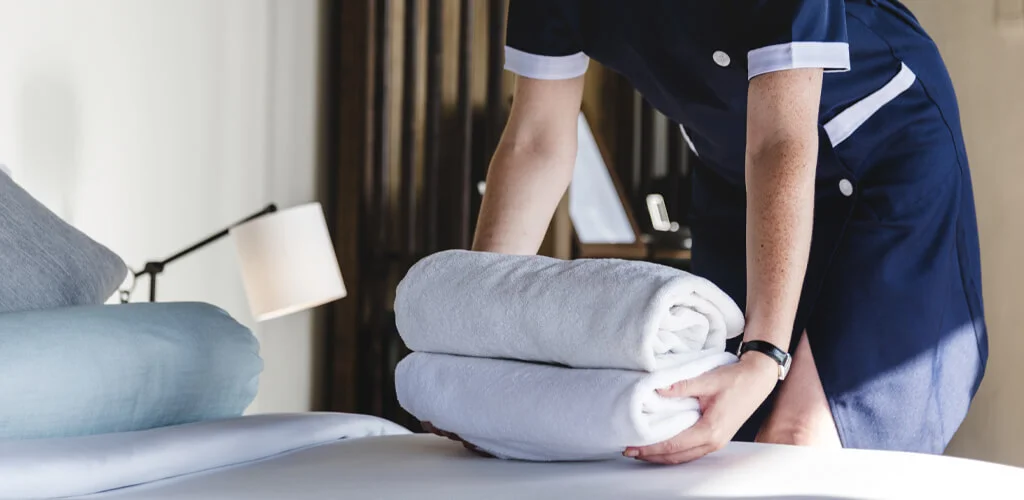
Hotel Linen Management: Why Outsourcing Laundry Saves Them Costs
-
 April 27, 2026
How to Keep Your Sneakers Looking Brand New: Top Cleaning Tips
-
 April 24, 2026
Hire Professional Office Cleaning Services Today for a Spotless Workspace
-
 April 22, 2026
How to Get Color Bleed Out of Clothes: Simple Fixes That Actually Work
-
 April 20, 2026
Locate ByNext Laundry Pick-Up and Delivery Points in Your Area
-
 April 17, 2026
Understanding Laundry Solutions: Different Types of Laundry Services Explained